Best Powdered Stevia for Baking What You Need to Know?
When it comes to baking, finding the right sweetener can be challenging. Many bakers turn to powdered stevia for its natural sweetness and zero-calorie content. Powdered stevia for baking is gaining popularity due to its unique properties and convenience. It offers a great alternative to traditional sugars, making it appealing for those seeking healthier options.
Choosing the best powdered stevia is not straightforward. Different brands offer varying levels of sweetness and flavor nuances. Some may leave an aftertaste, while others blend seamlessly into baked goods. Knowing which powdered stevia for baking to use can impact the quality of your treats significantly.
In baking, consistency matters. Finding a reliable product is crucial. Look for well-reviewed brands with quality ingredients. Consider experimenting and testing different brands to see which one suits your preference best. Each experience can teach you something new about baking with stevia.
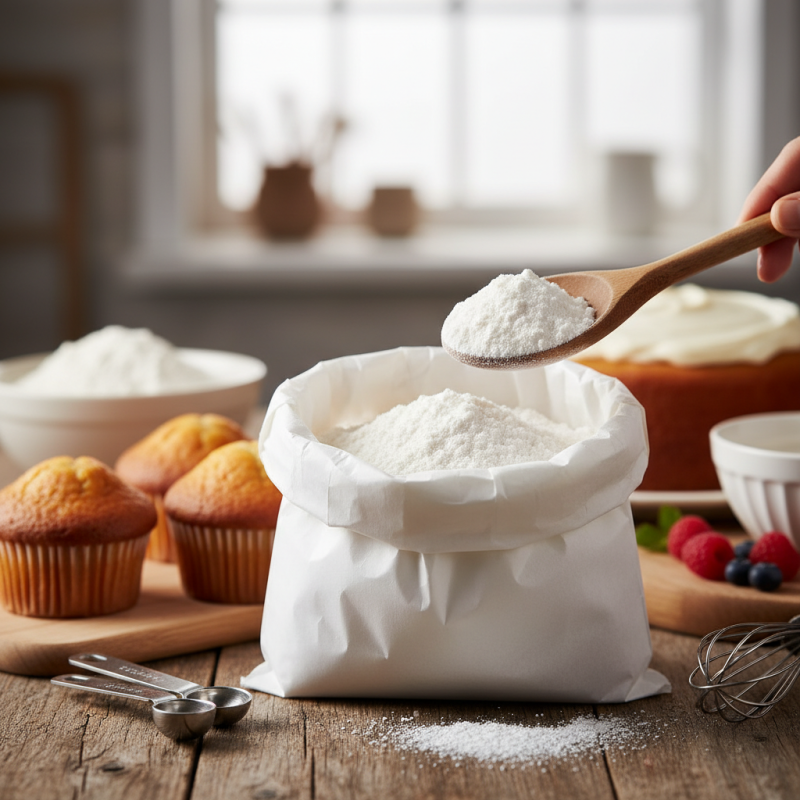
Understanding Stevia: What Is Powdered Stevia?
Powdered stevia is a natural sweetener derived from the leaves of the Stevia rebaudiana plant. It offers a sweet taste without the calories of sugar, making it popular for those seeking healthier baking alternatives. Unlike artificial sweeteners, stevia is often considered a more natural option. Its sweetening power is significantly higher than that of sugar, so only a small amount is needed for recipes.
Using powdered stevia in baking can be tricky. The sweetness intensity varies between products, and not all types dissolve well in batters and doughs. This inconsistency can lead to unsatisfactory results. Some users find that the taste can sometimes be slightly bitter. Adjusting recipes can require patience and experimentation. Beginners may need to try different measurements to find the right balance in their favorite dishes.
Additionally, the blend of powdered stevia with other fillers can affect texture. Some brands offer a pure form, while others combine stevia with erythritol or other sweeteners. Understanding these differences is crucial to achieving the desired taste and texture in baked goods. It’s essential to read labels carefully, as not all powdered stevia is created equal.
Best Powdered Stevia for Baking - What You Need to Know
| Feature |
Details |
| Source |
Derived from the leaves of the Stevia rebaudiana plant |
| Sweetness Level |
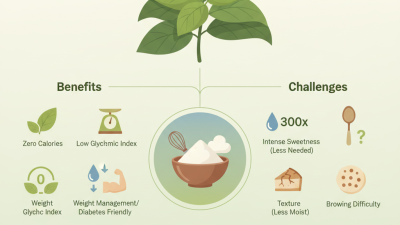
Up to 200-300 times sweeter than sugar |
| Calories |
Zero calories |
| Baking Properties |
Can withstand heat, suitable for various recipes |
| Taste Profile |
May have a slightly licorice or bitter aftertaste |
| Usage Suggestions |
Best used in combination with other sweeteners for balanced flavor |
| Market Availability |
Widely available in health food stores and online |
Benefits of Using Powdered Stevia for Baking
Baking with powdered stevia offers numerous benefits. It serves as a natural sweetener, making it a great alternative to sugar. Many people are turning to stevia to reduce their calorie intake. Using powdered stevia can help create healthier desserts without sacrificing flavor.
The convenience of powdered stevia cannot be overlooked. It easily dissolves in batter and mixes well with other ingredients. This means a smoother consistency in baked goods. However, getting the right amount can be tricky. Using too much can result in a bitter taste. Adjusting the quantity to match personal preferences takes some practice.
Baking with stevia also encourages creativity. It opens doors to experimenting with different recipes. While some recipes adapt well to stevia, not all do. It requires a bit of trial and error. It's a learning process that leads to a better understanding of flavors and textures. Embracing this challenge can yield delicious results.
Choosing the Right Powdered Stevia for Your Recipes
When selecting powdered stevia for baking, it's essential to consider the purity and form of the product. Many consumers may choose stevia for its low glycemic index, but not all stevia powders are created equally. According to a 2022 market study by Statista, the demand for natural sweeteners, including stevia, has surged by over 30% in the past five years. This trend highlights the growing preference for healthier alternatives, particularly among health-conscious bakers.
High-quality powdered stevia often contains a higher concentration of glycosides, making it sweeter compared to table sugar. However, many bakers encounter issues with taste and texture. Sometimes, stevia can impart a bitter aftertaste if not blended properly. A 2021 report from the Sugar Association found that more than 40% of bakers expressed dissatisfaction with the flavor profile of various stevia brands. So, experimenting with different stevia sources is crucial for achieving the desired outcome in your recipes.
Texture also plays a pivotal role in baking. Some powdered stevia can clump together, impacting its ability to blend seamlessly into batters or doughs. Finding a product that flows well can enhance your baking experience. A 2023 survey from the Baking Industry Research and Education Foundation indicated that 65% of bakers look for a stevia that mimics the baking properties of sugar. Balancing both sweetness and texture may require some trial and error, emphasizing the need for careful selection based on personal taste and recipe requirements.
Tips for Substituting Sugar with Powdered Stevia
Substituting sugar with powdered stevia can be a game changer in baking, especially for those looking for healthier options.
When using powdered stevia, it’s crucial to remember that stevia is much sweeter than sugar. In general, you’ll need less stevia to achieve the desired sweetness.
A common ratio is one teaspoon of stevia for one cup of sugar, but this can vary. Experimentation may be necessary to find the perfect balance for your recipes.
Texture is another aspect to consider when substituting stevia for sugar. Sugar contributes to moisture and structure in baked goods.
Without it, your cake may turn out denser or drier. To combat this, adding a bit of applesauce or almond milk can help maintain the desired consistency.
Remember, baking is as much about chemistry as it is about flavor.
Not all powdered stevias are the same. Some can have a bitter aftertaste, which may affect your dish.
It’s wise to try different brands or types before committing to one specific flavor. Tasting can help guide your choices.
It is also good to keep a notepad handy, tracking your successes and failures, making it easier to refine your recipes over time.
Don't be discouraged if your initial attempts fall flat; perfecting your baking with stevia is a learning process.
Common Baking Mistakes When Using Powdered Stevia
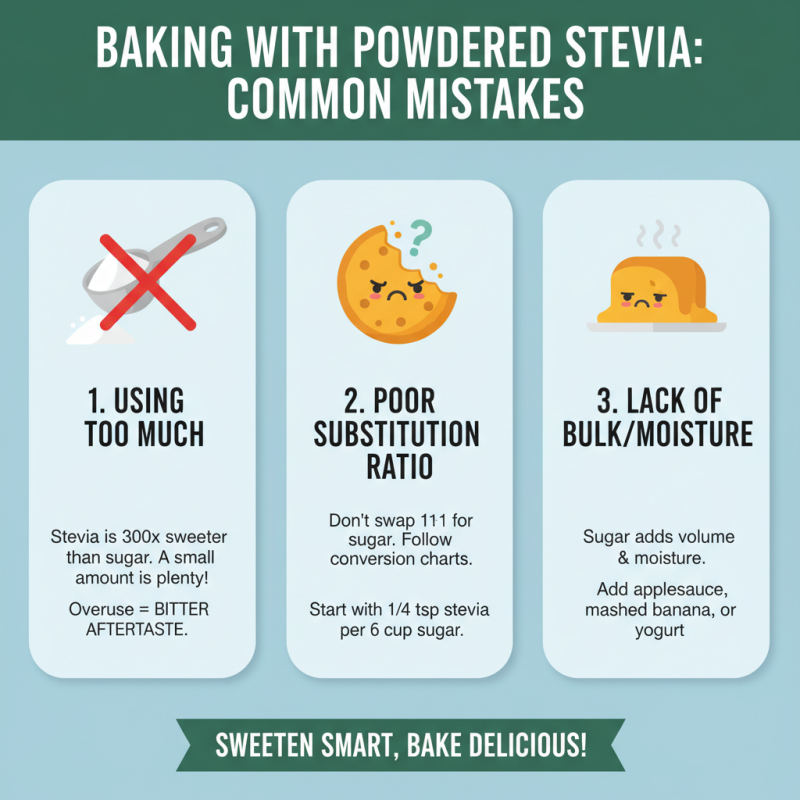
When baking with powdered stevia, common mistakes can undermine your efforts. One frequent error is using too much stevia, as it's significantly sweeter than sugar. According to the Sugar Association, stevia can be up to 300 times sweeter than sugar, meaning a small amount is all you need. Overuse can lead to a bitter aftertaste, which many bakers find off-putting.
Another mistake is not adjusting for the lack of bulk in stevia. Traditional sugar adds volume and moisture to baked goods. Without this, recipes may not turn out as expected. It's crucial to replace the volume of sugar with other ingredients, such as applesauce or yogurt. This adjustment can help maintain the right texture in your baked goods.
**Tips:** Measure stevia with precision. A digital scale can help you avoid using unnecessary amounts. Consider using a baking recipe specifically tailored for stevia. This can provide guidance on texture and consistency adjustments to ensure successful baking outcomes. Always taste your batter before baking to gauge sweetness levels.