Best 5 Substitutes Of Caster Sugar You Should Try?
When it comes to baking, caster sugar plays a crucial role. Its fine texture dissolves easily, enhancing the sweetness of your favorite treats. However, what if you find yourself without it? Knowing a good substitute of caster sugar can save your recipe.
In this article, we explore the best five substitutes of caster sugar. Each option has unique qualities that may surprise you. From brown sugar to homemade versions, there are alternatives that work well in various desserts.
Making substitutions can be tricky. You might wonder if the taste changes or if the texture remains the same. Some choices may not yield the perfect result. Yet, experimenting with substitutes can also lead to unexpected deliciousness. Embrace the challenges and discover exciting twists in your baking adventures.
Understanding Caster Sugar and Its Uses
Caster sugar, often referred to as superfine sugar, is a favorite among bakers. Its fine texture helps it dissolve easily, making it perfect for delicate recipes. It's commonly used in meringues, cakes, and syrups. When you need a smooth mixture, caster sugar shines. Yet, it's not always available in every kitchen.
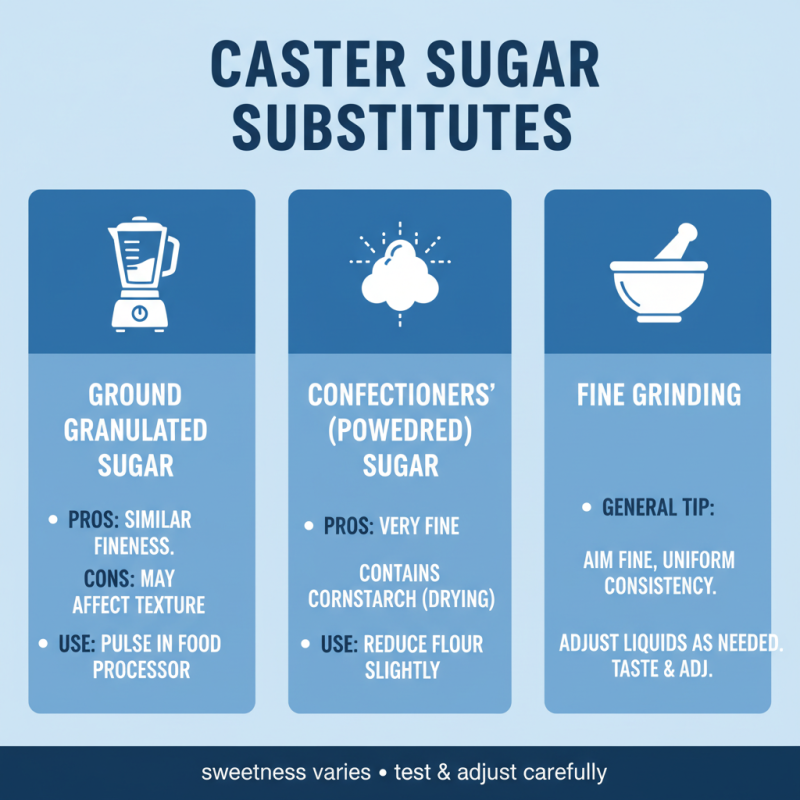
However, understanding caster sugar is the key to finding suitable substitutes. Granulated sugar can work in a pinch. Just grind it briefly in a blender or food processor. The result won't be exactly the same, but it can achieve a similar effect in baking. Brown sugar can add a different flavor profile with a chewy texture. It’s great for cookies or muffins, but may darken the color of your dish.
Not every substitute is perfect. Powdered sugar can be too fine for some recipes, leading to a grainy texture. Honey or agave syrup can also work, but they introduce moisture. This could impact the overall consistency of your recipe. Keep in mind that experiments will teach you more than just sticking to one sugar type. Embrace the trial and error for delightful discoveries in your baking adventures.
Why Substitute Caster Sugar? Benefits and Considerations
When it comes to baking, caster sugar is often a go-to ingredient. However, many people are looking for alternatives. Why consider substituting caster sugar? The reasons can be compelling. For one, dietary restrictions are more common in today’s health-conscious society. Reports indicate that around 39% of Americans are actively trying to reduce sugar intake. This statistic reflects a larger trend towards healthier eating habits.
Substitutes offer various benefits. Substituting caster sugar can provide different flavors and textures to baked goods. Ingredients like honey, maple syrup, or coconut sugar can enhance the overall taste profile. Additionally, using natural sweeteners may help to manage blood sugar levels. A recent diet study showed that using these substitutes led to a 25% drop in glycemic response among participants. However, not all alternatives perform equally in all recipes. Some may result in altered baking times or textures.
Consider also the versatility of using these substitutes. Each has its unique properties that can enhance your culinary creations. For example, the moisture content in honey could make a cake denser. This could be great in some cases but may not work for light and airy desserts. Experimenting with ratios and combinations is crucial. Each switch can lead to delightful or unexpected results. Embracing these alternatives can be a fun and educational journey.
Top 5 Best Substitutes for Caster Sugar
When you run out of caster sugar, don't worry. Several effective substitutes can help you maintain sweetness in your recipes. Here are the top five substitutes for caster sugar.
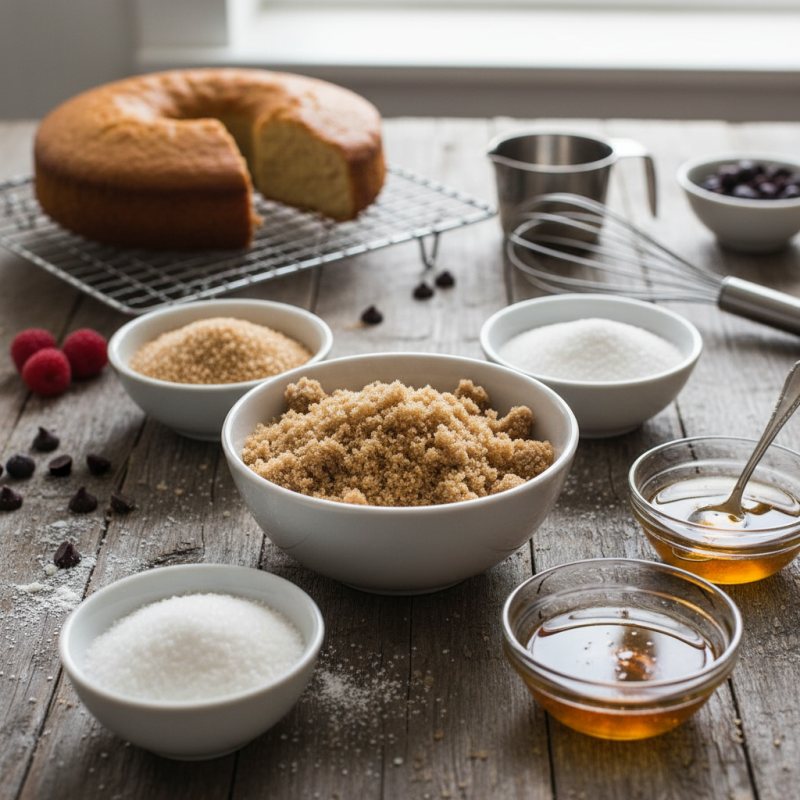
Granulated sugar is the easiest alternative. Simply pulse it in a blender for a few seconds. This creates a finer texture, more similar to caster sugar. It works well in most baking recipes. Another option is brown sugar. It adds a slight molasses flavor. The moisture in brown sugar can alter the texture but often enhances baked goods.
For a healthier choice, try coconut sugar. It has a rich taste and is packed with nutrients. However, it can darken the final product. If you need something quick, powdered sugar is another substitute. Blend granulated sugar until fine, then use it, but remember that it's more concentrated. Finally, consider honey or syrup for a liquid option. Use less since they're sweeter. Adjust liquid ingredients accordingly.
All these substitutes have their unique qualities and challenges. Experimenting with them can lead to delightful surprises in the kitchen.
How to Use Each Substitute in Recipes
When you run out of caster sugar, several substitutes can work effectively in your recipes. One great option is superfine sugar. This sugar dissolves easily, making it perfect for baking. Use it in a 1:1 ratio when replacing caster sugar.
Another excellent substitute is brown sugar. It adds moisture and a rich flavor. Use slightly less brown sugar than caster sugar, about 3/4 cup for every cup. Keep in mind that this can darken your recipes, affecting appearance.
Powdered sugar can also work in a pinch. Use it for desserts like frostings or whipped creams. The texture will be lighter since powdered sugar is airier. Use it in equal amounts, but be cautious not to over-sweeten your dishes.
Tip: For a healthier option, consider coconut sugar. It has a low glycemic index. Use it in a 1:1 ratio as well, but remember it can impart a slight caramel flavor.
Consider your recipe’s overall taste and texture when choosing a substitute. Experiment with these alternatives, but don’t hesitate to adjust quantities based on personal preference. It’s important to note that results may vary, so slight modifications can lead to surprisingly better outcomes.
Tips for Properly Adjusting Recipes with Sugar Substitutes
When substituting caster sugar in recipes, it's crucial to adjust carefully. Different substitutes can vary in sweetness and texture. For instance, using ground sugar can work well but may affect the final product's texture. Look for a fine consistency to match caster sugar's properties.
Consider using honey as a substitute. It’s sweeter, so use less than you would of caster sugar. But honey can also add moisture, which may require adjusting other liquid ingredients. Maple syrup is another option. It offers a unique flavor but can make cakes denser. Experimentation is key here, as you might not achieve the same results on your first try.
When using alternatives, keep an eye on cooking times. Some substitutes caramelize differently. This can lead to over-baking or under-baking. Sometimes, the end result might surprise you, and not always in a good way. Always taste and be ready to tweak your mixes. Finding that balance is a journey, not an exact science.