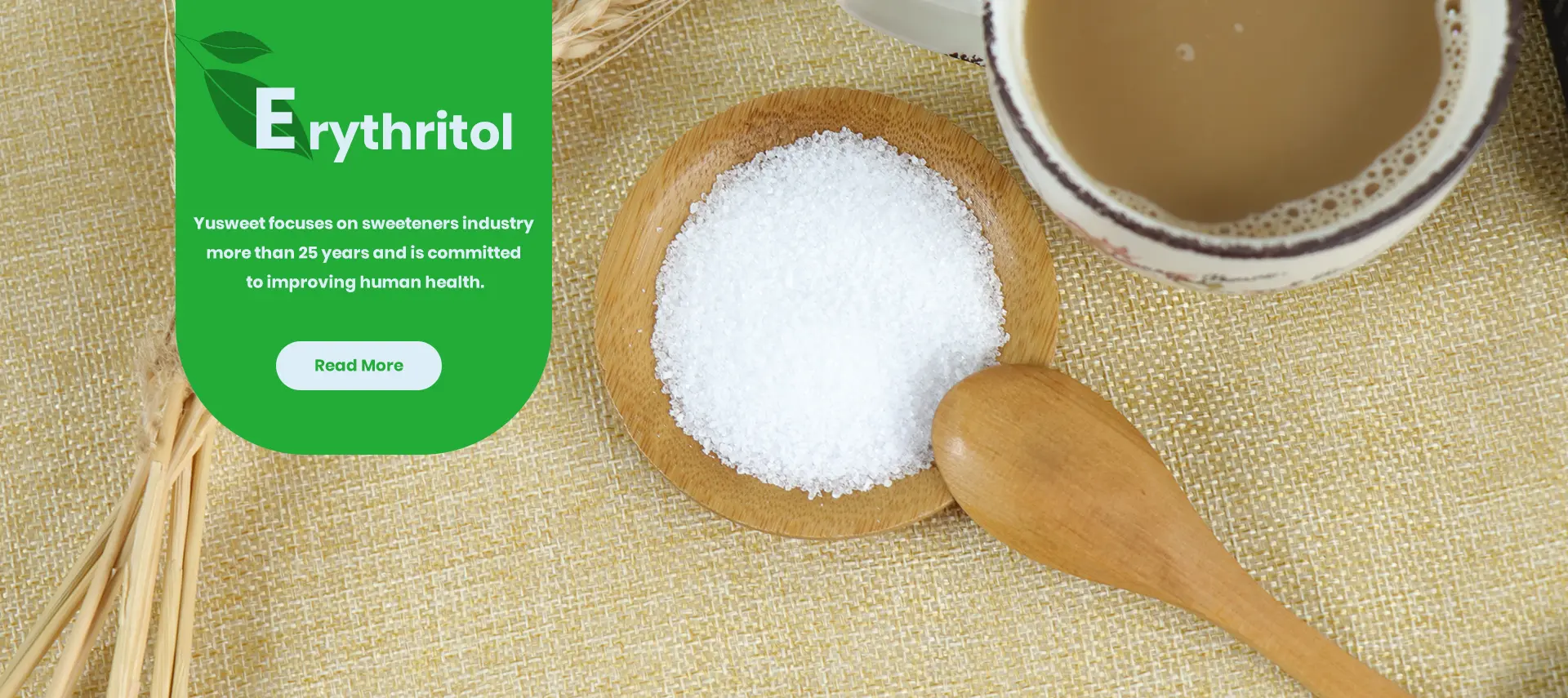
Erythritol is emerging as a popular choice among food additives. This sugar alcohol is known for its unique benefits. It offers a sweet taste without the calories. Many people prefer using erythritol in various recipes.
Food additives erythritol have gained attention in recent years. As more consumers seek healthier options, erythritol stands out. Its low glycemic index makes it appealing to those with dietary restrictions. It does not raise blood sugar levels, which is a significant advantage.
Despite its benefits, some concerns remain. Some individuals may experience digestive issues. It’s important to consider these factors when incorporating it into your diet. Understanding both the pros and the cons can help make informed choices. Erythritol is a fascinating topic in the world of food additives.
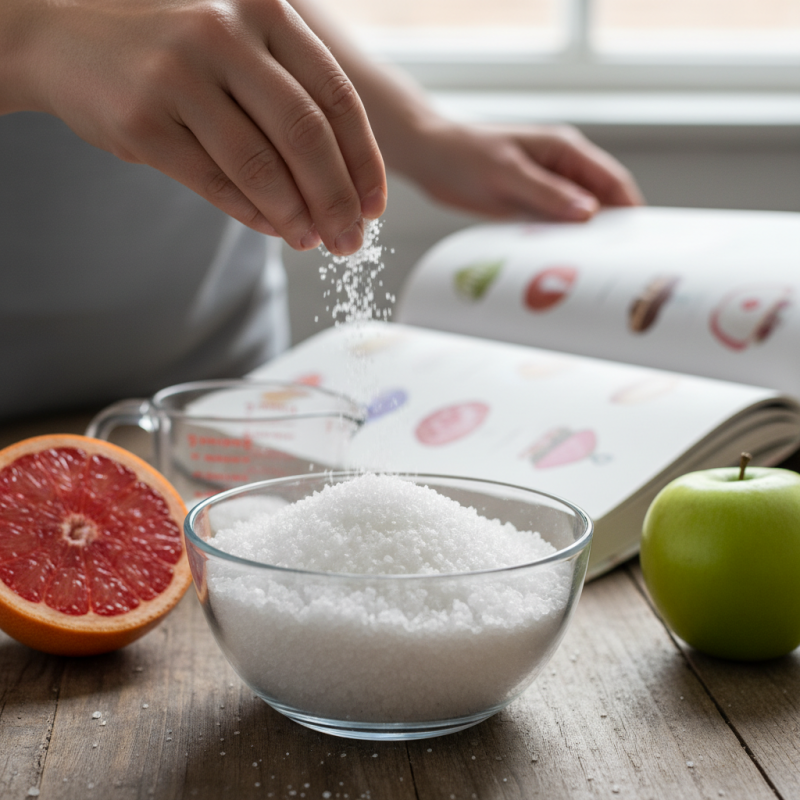
Erythritol is a sugar alcohol that has gained popularity as a low-calorie sweetener. Its origins trace back to fermentation processes using natural sources. This delightful compound can be derived from corn or wheat. With increasing health consciousness, erythritol's production methods focus on sustainability and efficiency.
To produce erythritol, glucose is fermented by specific microorganisms. This process breaks down the sugars and transforms them into erythritol. The fermentation technique is quite fascinating. It not only ensures a more natural product but also captures the essence of health-focused innovation. The final product is often purified and crystallized, resulting in a sweetener that is about 70% as sweet as sucrose.
While erythritol offers several benefits, it's vital to approach its consumption mindfully. Some may experience gastrointestinal discomfort if consumed in large quantities. Understanding its origins and production is crucial for conscious eating. With the growing trend toward healthier lifestyles, erythritol serves as an interesting alternative, but moderation is key.
Erythritol has gained popularity as a sweetener, especially in low-calorie and diabetic diets. Its unique properties set it apart from regular sugar. This sugar alcohol offers about 70% of the sweetness of sucrose while containing zero calories. Erythritol is absorbed in the small intestine and excreted unchanged, causing minimal impact on blood sugar levels.
Health benefits contribute to its appeal. Erythritol does not promote tooth decay, making it a favorite among health-conscious individuals. It also may help reduce cravings for sweet foods, supporting better dietary choices. Some users find it easier to maintain a balanced diet while incorporating erythritol. However, it’s important to monitor reactions, as some individuals may experience digestive discomfort.
The versatility of erythritol extends beyond sweetening. It can be used in baking, beverages, and even sauces. However, some recipes might not yield the same result as using traditional sugar. Finding the right balance may require adjustments. Overall, considering both the benefits and potential challenges can lead to more informed dietary decisions.
| Benefit | Description | Common Uses |
|---|---|---|
| Low Calorie | Erythritol contains zero calories, making it a popular choice for weight management. | Diet sodas, sugar-free sweets |
| Sugar Substitute | It mimics the sweetness of sugar without raising blood sugar levels. | Baked goods, confections |
| Dental Benefits | Erythritol does not contribute to tooth decay and may help prevent cavities. | Sugar-free chewing gum, dental products |
| Gut Health | It is absorbed in the small intestine and does not ferment in the gut, minimizing gastrointestinal discomfort. | Low-carb products, supplements |
| Antioxidant Properties | It has been shown to have antioxidant effects, which can help reduce oxidative stress. | Health drinks, functional foods |
| Enhanced Flavor | Erythritol can enhance the flavor profile of products while reducing the need for sugar. | Flavored beverages, desserts |
| Low Glycemic Index | It has a glycemic index of 0, making it safe for diabetics. | Diabetic-friendly products, snacks |
| Versatility | It can be used in various forms, including granulated, powdered, and liquid. | Cooking, baking, beverages |
| Safe for Consumption | Regarded as safe and has been approved for use by health authorities worldwide. | Food products, supplements |
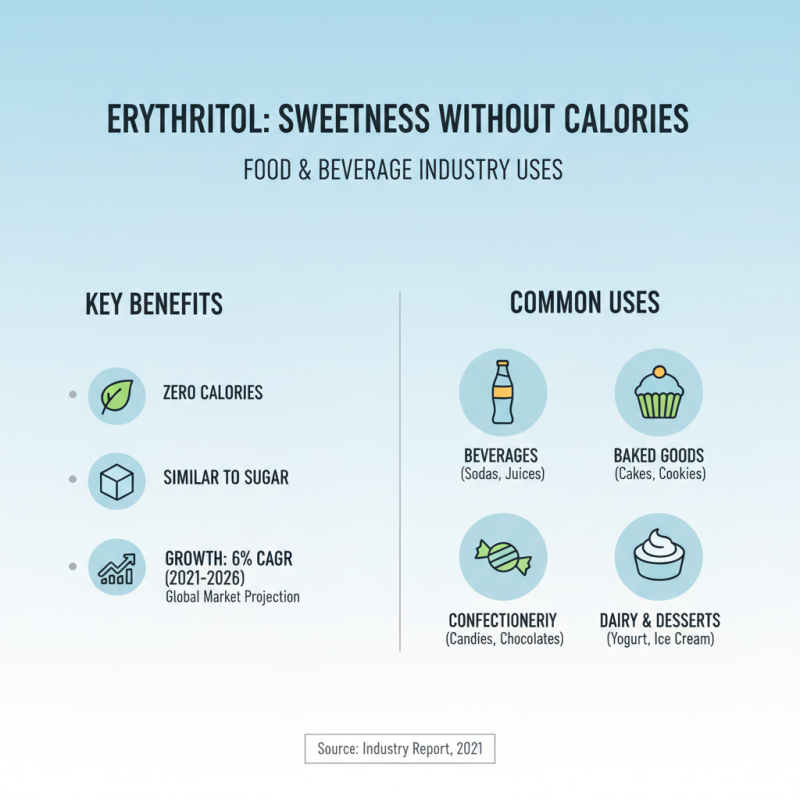
Erythritol is gaining traction in the food and beverage industries for its unique properties. With a sweetness level similar to sugar, it contains nearly zero calories. According to a recent industry report, the global erythritol market is projected to grow at a CAGR of 6% from 2021 to 2026. This growth highlights the rising demand for sugar alternatives.
In the food sector, erythritol is commonly used in products like candies, baked goods, and beverages. It acts as a bulking agent, giving volume without adding significant calories. This makes it appealing to manufacturers targeting health-conscious consumers. One study showed that 70% of consumers seek products labeled as low-calorie, emphasizing the importance of erythritol in meeting this demand.
Additionally, erythritol has intriguing properties. It doesn't spike blood sugar levels, making it suitable for diabetics. However, not everyone can tolerate it well. Some individuals report digestive discomfort when consumed in excess. This highlights a need for careful formulation in food products. The balance between sweetness, texture, and digestibility remains a challenge for manufacturers.
Erythritol stands out among sugar substitutes for various reasons. Its unique structure makes it lower in calories than sugar, containing just 0.24 calories per gram. This significant reduction can help those aiming to reduce sugar intake or manage weight. Unlike traditional sweeteners, erythritol has a low glycemic index, making it suitable for people with diabetes. They can enjoy sweetness without spiking blood sugar levels.
When compared to other sugar substitutes like aspartame or sucralose, erythritol offers a more natural taste. Some people notice a bitter aftertaste with certain artificial sweeteners. Erythritol typically doesn't have this issue. However, it can cause digestive discomfort in some consumers, especially in large amounts. This is a critical factor to consider for anyone looking to incorporate it into their diet.
While erythritol exhibits beneficial properties, not all sugar substitutes are created equal. Each has its pros and cons. Some may prefer stevia for its natural origins, while others find erythritol's texture and taste more appetizing. It's important to reflect on individual preferences and tolerances when choosing the right sweetener for your needs.
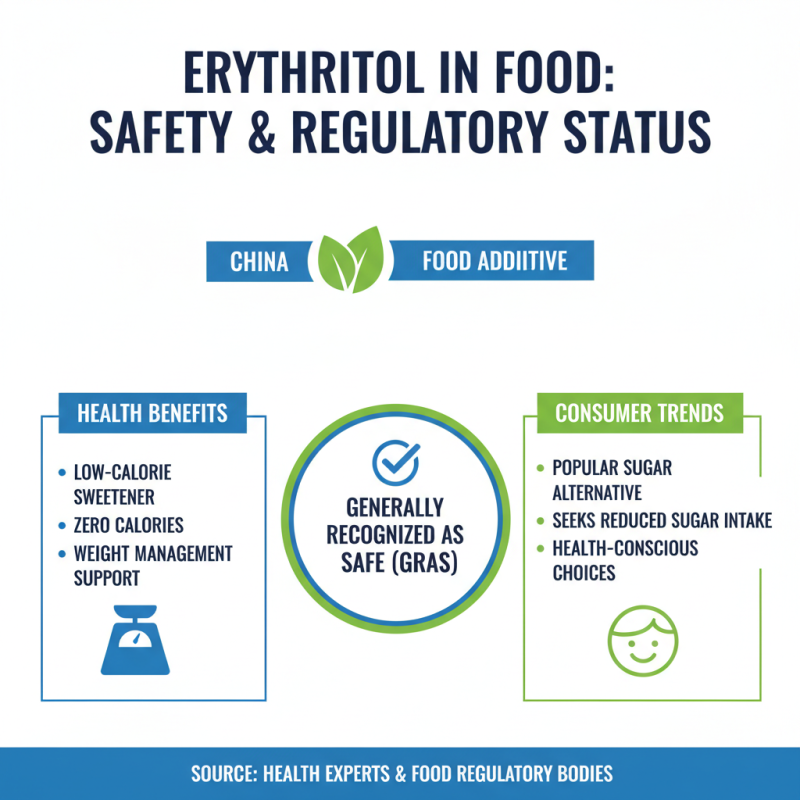
Erythritol is gaining attention as a food additive in China. This sugar alcohol is generally regarded as safe for consumption. Health experts affirm its low-calorie content makes it a popular choice. Many people are looking for alternatives to sugars that contribute to weight gain. Erythritol, with its zero-calorie profile, fits this need.
The safety of erythritol has been evaluated by various health authorities. The FDA considers it safe for use in food products. Research has shown that erythritol does not spike blood sugar levels. This makes it ideal for those managing diabetes. Some studies, however, suggest potential digestive issues. This means that individuals should consume it in moderation. While most tolerate it well, overconsumption can lead to bloating or gas.
**Tip:** Begin with a small amount of erythritol in your diet. Monitor how your body reacts before increasing the quantity.
Another aspect is its regulatory status in different regions. In China, erythritol is approved for food use, but regulations are subject to change. Consumers should always stay updated on these guidelines. Choosing additives like erythritol can be beneficial, but awareness is key. Evaluate your personal health needs and consult with a healthcare professional if unsure.
**Tip:** Always check food labels for erythritol content. This will help you manage your intake effectively.