What is Crystalline Powder Xylitol and its Benefits?
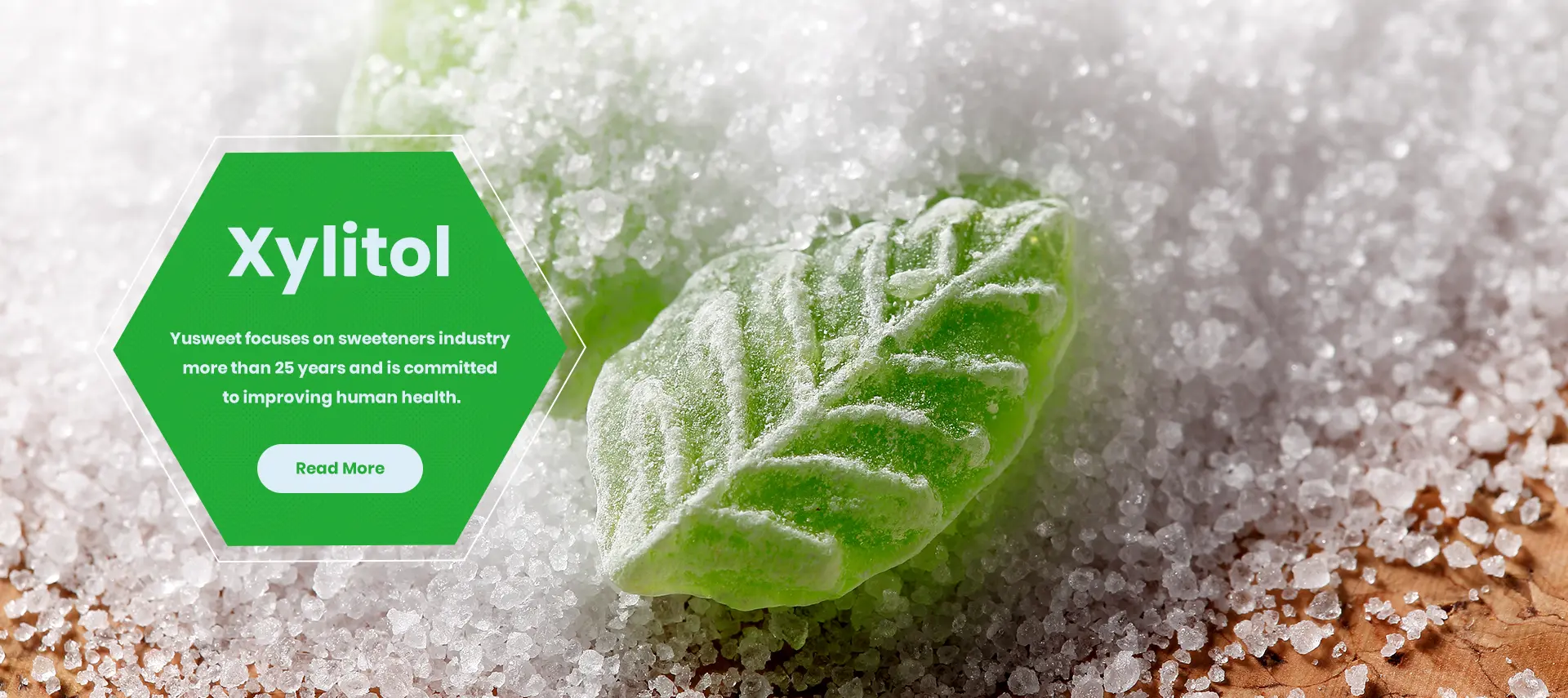
Crystalline Powder Xylitol is more than just a sugar substitute. This natural sweetener comes from birch trees and corn cobs. Its crystalline structure gives it a unique texture and enhances its appeal for various applications. People often use it in chewing gum, candies, and dental products due to its sweet taste and health benefits.
This sweetener has gained popularity for its low glycemic index. It does not spike blood sugar levels, making it suitable for diabetics. Additionally, Crystalline Powder Xylitol has dental benefits. It can reduce the risk of cavities by inhibiting the growth of harmful bacteria in the mouth. However, overconsumption may lead to digestive issues for some individuals.
Understanding the broader implications of using Crystalline Powder Xylitol is essential. While it offers many advantages, individual responses can vary. It’s crucial to reflect on how our bodies react to this sweetener. Finding the right balance is key, as moderation remains vital in any diet.

What is Crystalline Powder Xylitol?
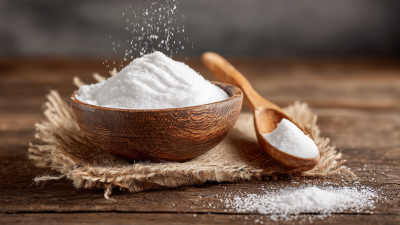
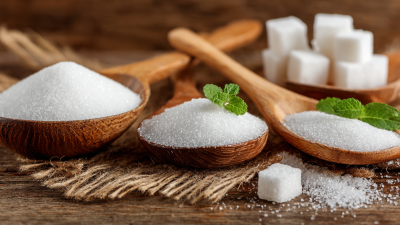
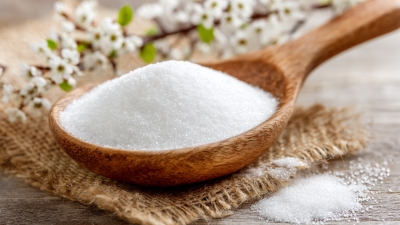
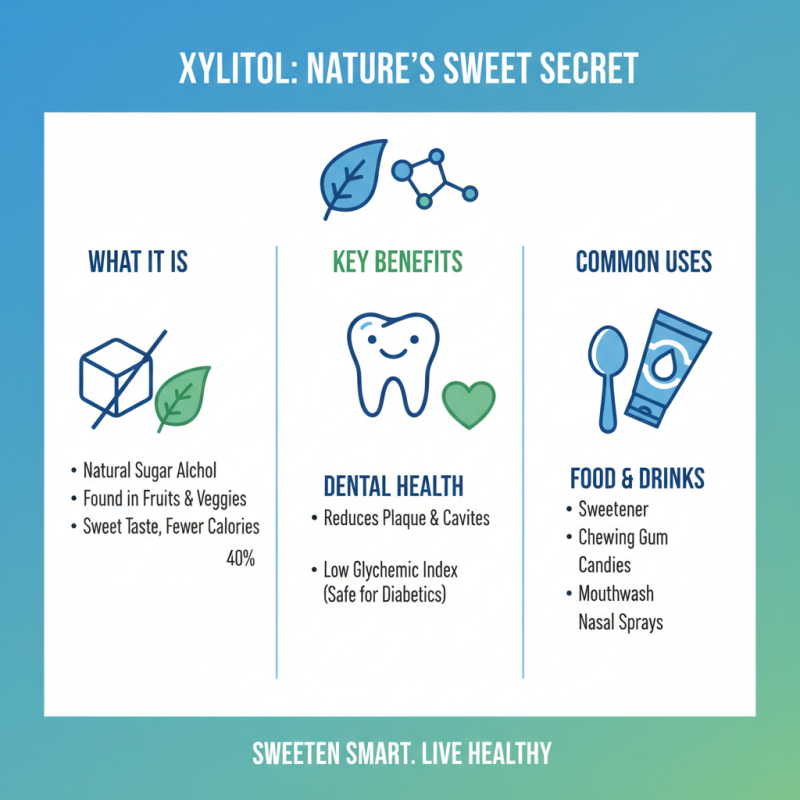
Crystalline powder xylitol is a natural sugar alcohol. It is derived from a variety of plants but most commonly from birch wood. This fine white powder resembles sugar in both texture and taste. Many people use it as a sugar substitute because it is sweeter than sugar but has fewer calories.
The benefits of crystalline powder xylitol are quite notable. It can help reduce the risk of cavities. Unlike regular sugar, xylitol does not ferment in the mouth, which means it doesn’t feed harmful bacteria. It also promotes saliva production, which can further aid in oral health. Additionally, xylitol has a low glycemic index, making it a safer choice for people with diabetes.
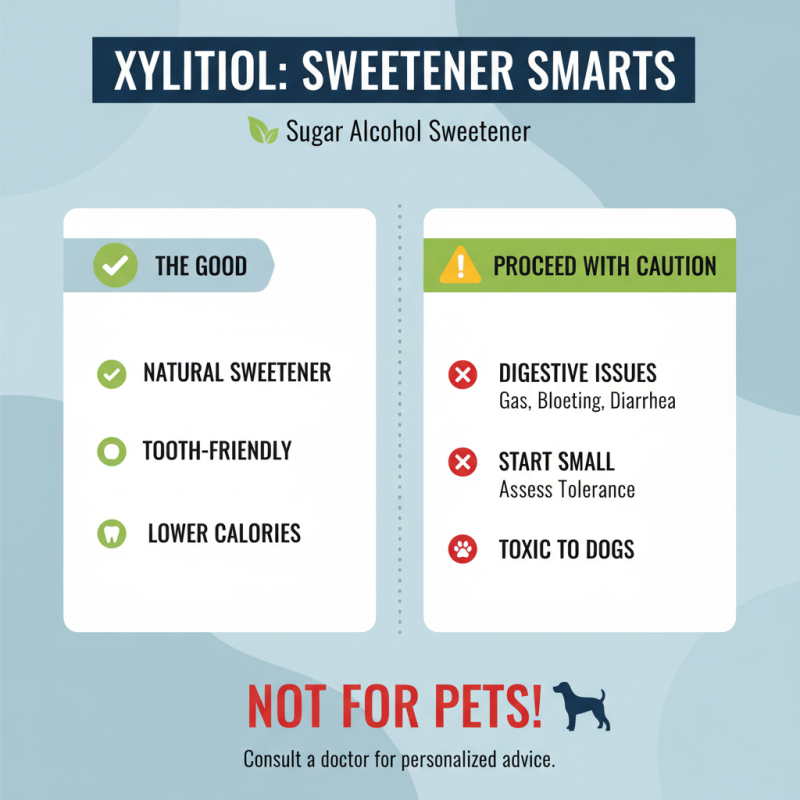
Tips: When using xylitol in recipes, start with small amounts. It may alter the texture of baked goods. Also, be cautious if you have pets. Xylitol is toxic to dogs. Always store it safely out of reach. It’s essential to listen to your body when introducing new sweeteners. Some may experience digestive discomfort, especially if consumed in large quantities. Experiment slowly and see how it works for you.
Benefits of Crystalline Powder Xylitol
Chemical Composition and Properties of Xylitol
Xylitol is a sugar alcohol used in many products. It is often found in sugar-free candies and chewing gum. The crystalline powder form is popular for its sweet taste, similar to sugar. Chemically, xylitol has a molecular formula of C5H12O5. This simple structure contributes to its unique properties.
One notable characteristic of xylitol is its low glycemic index. This means it does not cause a rapid increase in blood sugar levels. Many people looking to manage their sugar intake find this beneficial. However, some individuals may experience digestive issues when consuming it in large amounts. So, moderation is key.
Xylitol also has antibacterial properties. It can help reduce dental cavities and improve oral health. However, relying solely on xylitol for dental care may not be sufficient. Regular dental hygiene practices should still be prioritized. This highlights the need for a balanced approach to health and wellness.
Health Benefits of Crystalline Powder Xylitol
Crystalline powder xylitol is a natural sugar substitute made from plants. It has a sweet taste similar to sugar, but it contains fewer calories. This makes it popular among those seeking to reduce their sugar intake. It is often used in sugar-free gum, candies, and oral care products. However, consuming too much xylitol can lead to digestive discomfort. Moderation is key when enjoying this sweetener.
The health benefits of crystalline powder xylitol are significant. It may help to reduce the risk of tooth decay. Xylitol can inhibit the growth of harmful bacteria in the mouth. This promotes healthier teeth and fresher breath. Some studies also suggest that xylitol may support metabolic health and improve insulin sensitivity. However, the research is ongoing, and more studies are needed to confirm these effects fully.
People should be aware that not all sugar substitutes work the same for everyone. Some may experience gastrointestinal issues with xylitol. Listening to your body is essential. It’s crucial to introduce it gradually into your diet. This way, you can assess how your body reacts. Enjoy the benefits, but be mindful of potential side effects.
Uses of Xylitol in Food and Dental Products
Xylitol is a natural sugar alcohol that offers various health benefits. Widely used in food and dental products, it serves as a popular sugar substitute. Xylitol has a sweet taste but contains fewer calories than regular sugar. This makes it suitable for those aiming to reduce sugar intake.
In food, xylitol can be found in sugar-free gum and mints. It provides a satisfying sweetness without the harmful effects of sugar. Its low glycemic index is appealing for those managing blood sugar levels. Many people enjoy using xylitol in baking or beverages as a healthier option. However, it may take time for some to adapt to its unique taste.
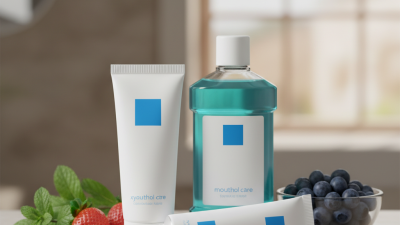
When it comes to dental products, xylitol plays a crucial role in oral health. It helps combat cavities by inhibiting the growth of harmful bacteria in the mouth. Chewing gum with xylitol can stimulate saliva production, leading to a cleaner mouth. Yet, some individuals may experience digestive discomfort if consumed in excess. Achieving balance is key when integrating xylitol into a daily routine.
Safety and Side Effects of Xylitol Consumption
Xylitol is a sugar alcohol commonly used as a sweetener. While it is generally safe, there are some considerations to keep in mind. Xylitol can cause digestive issues, especially when consumed in large amounts. Symptoms may include gas, bloating, or diarrhea. It’s wise to start with small doses to assess your tolerance.
Some people may have allergic reactions to xylitol, though this is rare. Monitor for symptoms such as itching, rash, or swelling. If you experience these, stop consumption immediately and consult a healthcare provider.
Tips: Always read labels carefully. Not all products indicate xylitol content clearly. Keep xylitol away from pets, as it can be toxic to dogs. Adjust your diet gradually, allowing your body to adapt to new sweeteners. Enjoy the benefits of xylitol, but stay mindful of your body's responses.