10 Tips for Using Stevia Concentrated Powder in Your Everyday Recipes?

Incorporating Stevia Concentrated Powder into your cooking can transform how you approach sweets. This natural sweetener is known for its powerful sweetness. A little goes a long way, making it perfect for recipes where you need a sugar substitute.

Using Stevia Concentrated Powder might seem straightforward, but it can be tricky at times. Too much can lead to a bitter taste, while too little may not satisfy your cravings. Finding the right balance is essential for delicious results.

Many people overlook the versatility of Stevia Concentrated Powder. It works well in drinks, baked goods, and even savory dishes. Experimenting with it can lead to pleasant surprises. With these tips, you'll learn how to effectively use this sweetener for everyday recipes.
10 Tips for Using Stevia Concentrated Powder in Your Everyday Recipes?

Understanding Stevia Concentrated Powder and Its Benefits

10 Tips for Using Stevia Concentrated Powder in Your Everyday Recipes?

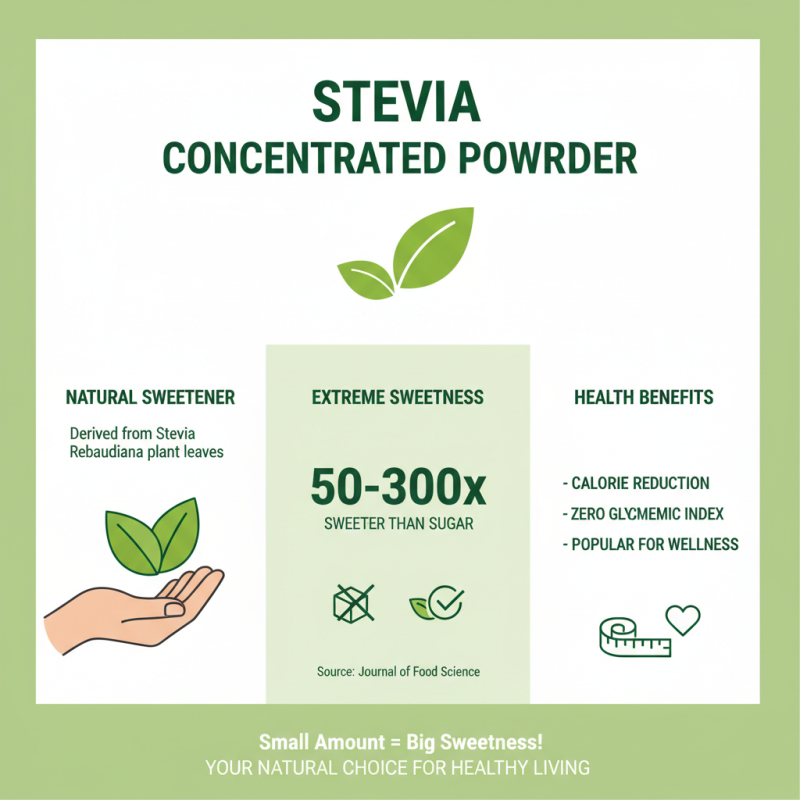
Stevia concentrated powder is a natural sweetener derived from the leaves of the Stevia rebaudiana plant. Its popularity has surged in recent years, especially among health-conscious consumers. According to a study published in the "Journal of Food Science," stevia is 50 to 300 times sweeter than sugar. This means only a small amount is needed for sweetness, which can be beneficial for calorie reduction.

Scientists have identified stevia's primary sweet compounds, known as steviol glycosides. These compounds are non-caloric. This quality makes stevia a desirable sugar substitute for many diets. Research from the "National Center for Biotechnology Information" shows that stevia may have additional health benefits, such as helping to regulate blood sugar levels. Even so, some people may experience an aftertaste.

Using stevia in recipes can sometimes lead to unexpected results. Recipes may require adjustments for texture and flavor balance. For example, baking with stevia can yield denser goods. It's essential to test small batches to find the right proportions. The quest for the perfect recipe can be a trial and error process. This is part of the learning experience of integrating stevia into daily life.
Selecting the Right Stevia Concentrated Powder for Cooking

Choosing the right stevia concentrated powder for cooking requires careful consideration. Not all stevia powders are created equal. Some are highly processed, while others retain more natural qualities. Look for stevia that lists minimal ingredients on the label. Pure stevia extract is often preferred for its strong, sweet flavor.

Pay attention to the texture and sweetness level. Some powders may be more concentrated, needing less to achieve desired sweetness. Experimentation is key here. Start with small amounts in your recipes. You may find that a little goes a long way. This can prevent unexpected flavor changes in your dishes.

Don’t forget to consider the aftertaste. Some people find stevia leaves a bitter flavor. This could be an issue in delicate recipes. Try different brands or forms, like liquid or powder. Each has unique characteristics. Balancing flavors can be challenging, and it will take practice to perfect your dishes with stevia.

Stevia Concentrated Powder Usage in Everyday Recipes

Measurement Guide: How to Replace Sugar with Stevia Effectively

When replacing sugar with stevia, accurate measurements are key. Stevia is much sweeter, so small amounts go a long way. A general rule of thumb is to use 1 teaspoon of stevia powder for every cup of sugar. However, this can vary. Always check the specific product’s conversion chart.

Adjusting your favorite recipes can be a bit tricky. Some baked goods may not rise as expected with stevia, causing a denser texture. You might need to add extra liquid or a leavening agent. Keep an eye on the baking time too, as it may vary when using stevia.

Taste testing is vital. Stevia has a unique flavor that might not suit every dish. You may notice a slight aftertaste in some recipes. Approach this with an open mind. It’s all about experimenting and finding the right balance. Remember, stevia can enhance flavors when used wisely, just like sugar does in your traditional recipes.

10 Tips for Using Stevia Concentrated Powder in Your Everyday Recipes
Tip Number Tip Description Measurements (Stevia vs Sugar) Recipe Suggestions
1 Start with small amounts to gauge sweetness. 1 cup sugar = 1 tsp Stevia Powder Coffee, Tea
2 Mix Stevia powder with liquid ingredients first. 1/2 cup sugar = 1/2 tsp Stevia Powder Smoothies, Milkshakes
3 Use Stevia in conjunction with other sweeteners. 1/4 cup sugar = 1/4 tsp Stevia Powder + Honey Baked Goods, Dressings
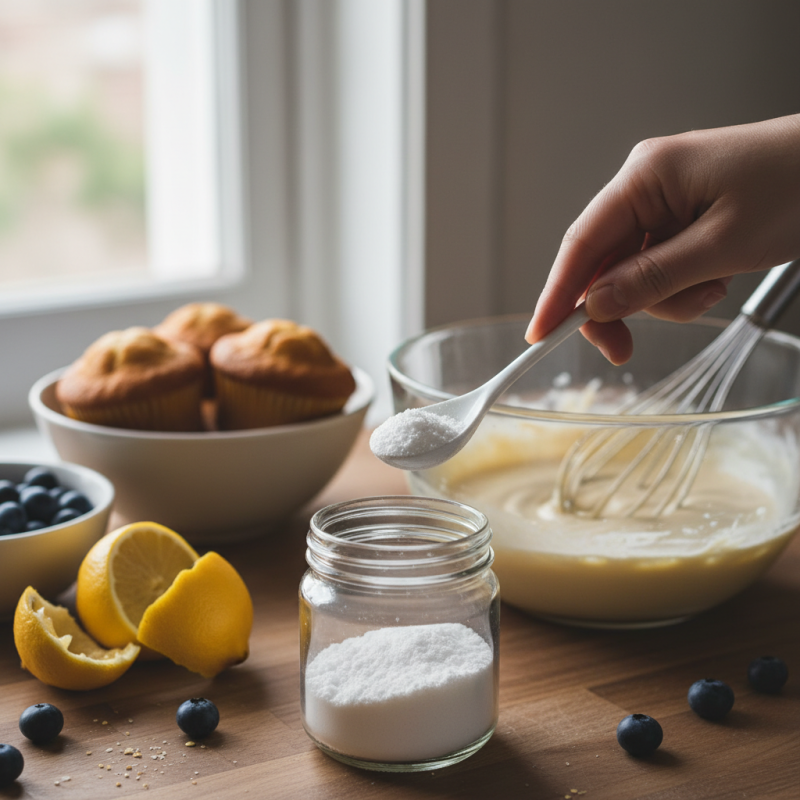
4 Adjust baking times as Stevia can speed up browning. 1 cup sugar = 1 tsp Stevia Powder Cakes, Muffins
5 Consider using a Stevia blend for improved taste. 1 cup sugar = 1.5 tsp Stevia Blend Pancakes, Waffles
6 Thicken liquids with additional ingredients if necessary. 1/2 cup sugar = 1/2 tsp Stevia Powder Sauces, Soups
7 Beverages should include flavors that complement Stevia. 1 cup sugar = 1 tsp Stevia Powder Lemonade, Iced Tea
8 Taste as you go to find the perfect sweetness level. Use Stevia sparingly initially. Cookies, Brownies
9 Store Stevia in a cool, dry place. No specific measurement needed. N/A
10 Experiment with various recipes to find personal favorites. Adjust according to taste. Variety of Desserts

Creative Ways to Incorporate Stevia in Baking and Cooking

10 Tips for Using Stevia Concentrated Powder in Your Everyday Recipes?

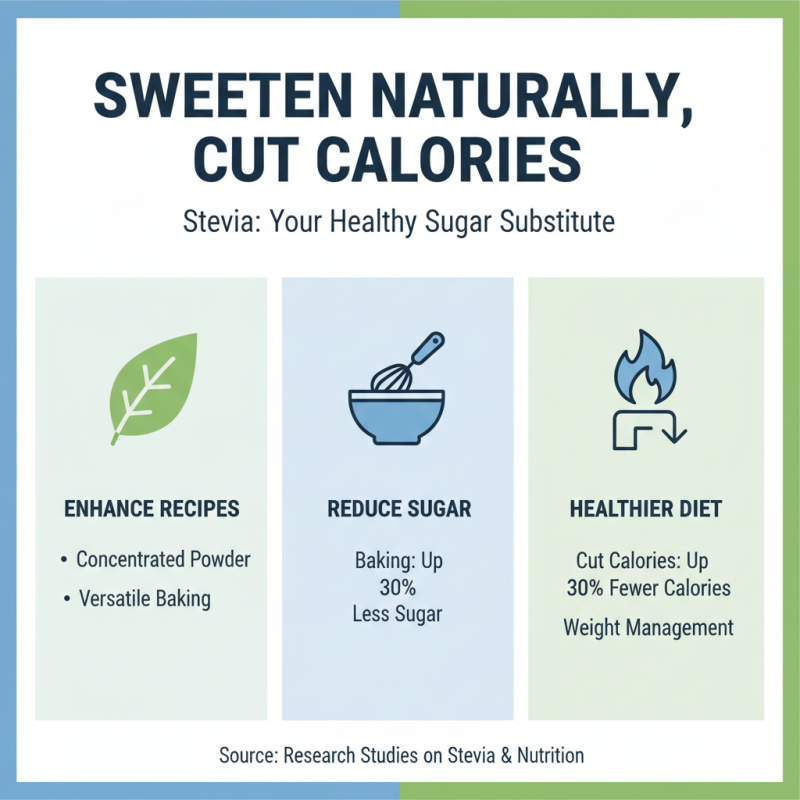
Stevia concentrated powder offers a unique way to enhance your everyday recipes. Incorporating stevia into your baking can reduce sugar levels significantly. Studies show that substituting sugar with stevia can cut calorie intake by up to 30%. This is particularly useful for those aiming to maintain a healthier diet.

When baking cookies, stevia can transform the texture. It may require adjustments in other ingredients, like fats and liquids. Not every recipe will adapt perfectly. A pinch extra of stevia may yield a sweeter treat than intended. Testing is essential.

In sauces or dressings, stevia blends well. It balances acidity without overloading on calories. Even in savory dishes, it can add complexity. However, some might find its aftertaste unusual. Experimentation helps, but it may not suit every palate. Each dish creates new opportunities for finding the right balance.

Tips for Balancing Flavor When Using Stevia in Recipes

When using stevia concentrated powder, balancing flavor is crucial. Stevia is notably sweeter than sugar. In fact, it can be up to 300 times sweeter. This means small amounts can easily overpower other flavors in your dish. Adjusting the quantity is essential. Start with a pinch to assess the sweetness level in your recipes. Use it judiciously, especially in savory dishes.

Flavor balancing can involve adding natural ingredients. Consider incorporating a hint of vanilla or cinnamon. These additions can soften stevia's sharp sweetness. Research indicates that combining stevia with other flavors creates a more rounded taste. For instance, using a splash of lemon juice can help neutralize any aftertaste.

Culinary professionals suggest trial and error is part of the process. Each recipe will react differently to stevia. Not everyone enjoys the same sweetness level. Be mindful of the texture; too much stevia may alter the consistency of baked goods. Adjusting the other ingredients, like flour or liquids, may sometimes be necessary. This thoughtful approach can enhance overall flavor.