Choosing the right Powdered Stevia For Baking supplier requires more than comparing prices or browsing attractive product pages. A dependable supplier should provide clear steviol glycoside specifications, batch testing, allergen information, traceability, and practical baking guidance. These details matter when a small difference in sweetness changes a cookie’s texture, browning, or aftertaste.
Food scientist Dr. Kantha Shelke has emphasized, “Sweetness is only one part of a food’s sensory profile.” That point is especially important for powdered stevia. In a test kitchen, one blend may leave a clean finish, while another produces bitterness beside cocoa or a cooling sensation in vanilla cake. The best suppliers understand these differences and explain them honestly.
This guide reviews ten Powdered Stevia For Baking suppliers through a practical, evidence-based lens. It considers ingredient quality, formulation support, packaging, certifications, minimum order quantities, and customer reliability. Suppliers serving home bakers may differ greatly from those supporting commercial manufacturers. Some offer pure steviol glycosides, while others sell blends containing erythritol, maltodextrin, or natural flavors.
The comparison is not absolute. A supplier ranking can change with region, harvest conditions, pricing, and updated testing documents. That is a limitation worth admitting. Buyers should still request recent certificates of analysis and conduct their own recipe trials. A label can look impressive. The batter reveals more.
These ten suppliers provide a useful starting point for businesses seeking consistent sweetness, transparent sourcing, and better baking performance.
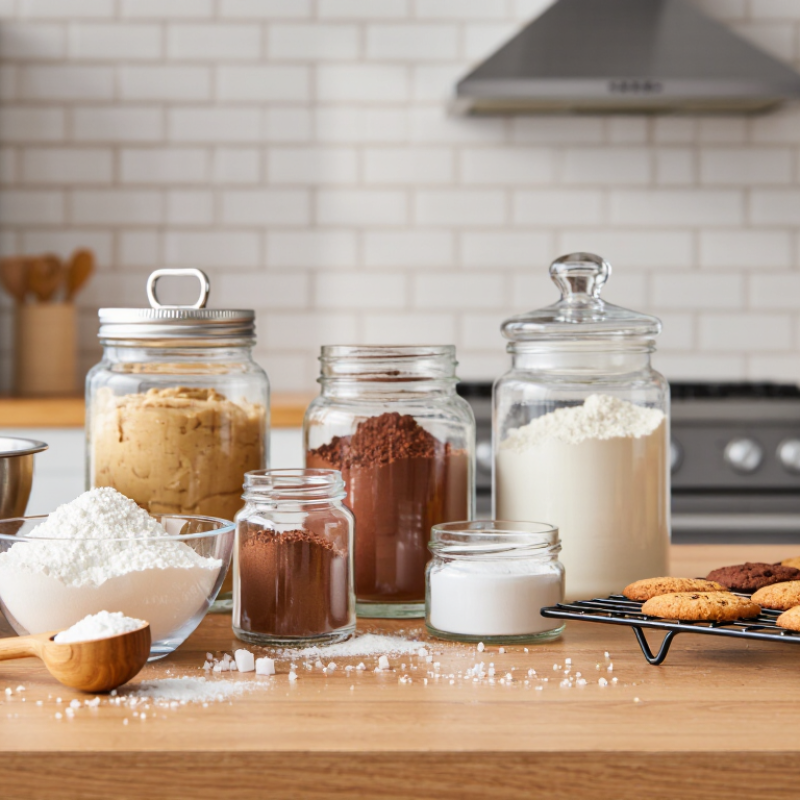
A suitable powdered stevia supplier understands that baking is more demanding than beverage production. Heat exposure, mixing time, and ingredient ratios can change sweetness and texture. The supplier should provide a clear specification sheet, including purity, particle size, moisture level, and carrier ingredients. Consistent powder matters. A lumpy product can distribute sweetness unevenly through flour.
Reliable suppliers also support real baking trials. Ask for samples from different production batches, then test cookies, muffins, and sponge cakes. Check sweetness after cooling, not only when the product is warm. Good technical guidance can explain how the powder behaves with sugar reduction, fats, eggs, and acidic ingredients. Documentation should include food-grade status, allergen information, microbiological testing, and traceability records. These details build confidence, though paperwork alone cannot prove performance.
Tips: Compare the same recipe across several batches. Weigh the powder precisely. Test for bitterness after 24 hours. A small sensory panel is useful. No supplier is perfect. Even experienced bakers may overlook aftertaste when a sample seems sweet enough. Ask how the supplier manages batch variation and handles customer complaints. A responsive team should answer specific questions with evidence, not vague promises. Choose the supplier whose powder performs steadily in your own oven, under your own recipe conditions.
A practical comparison of purchasing specifications that influence sweetness, texture, processing performance, and quality control.
| Rank | Anonymous Supplier Profile | Recommended Steviol Glycoside Profile | Typical Powder Format | Carrier or Bulking System | Typical Sweetness vs. Sucrose | Baking-Relevant Quality Data | Documentation Expected | Best Baking Applications | Suitability Score |
|---|---|---|---|---|---|---|---|---|---|
| 1 | Profile 01 — High-Purity Baking Specialist | ≥95% total steviol glycosides; Reb M or Reb A dominant | Fine, free-flowing white powder | Pure extract or low-dose premix | Approximately 200–350×, depending on glycoside composition | Low moisture, consistent particle size, low bitterness, stable under normal baking conditions | Current COA, microbiological results, heavy-metal testing, pesticide statement, allergen declaration | Cakes, cookies, muffins, reduced-sugar mixes | 9.5/10 |
| 2 | Profile 02 — Reb A Formulation Supplier | ≥97% Reb A or a high-Reb-A blend | Micronized powder for uniform dispersion | Erythritol, maltodextrin, or soluble fiber option | Approximately 250–350× for high-purity Reb A | Good heat stability; blending support is important because stevia does not provide sugar-like bulk | COA, identity and assay method, flowability data, allergen and non-GMO statements | Dry baking premixes, shortbread, biscuits, snack bars | 9.2/10 |
| 3 | Profile 03 — Reb M and Reb D Supplier | High-Reb-M or Reb-M/Reb-D blend for a cleaner taste | Low-dust, fine powdered extract | Pure extract or custom carrier blend | Usually 200–300×; potency varies by composition | Cleaner sensory profile; requires accurate dosing and thorough dry blending | Glycoside profile by HPLC, COA, contaminant testing, traceability records | Premium cakes, chocolate products, flavored bakery fillings | 9.0/10 |
| 4 | Profile 04 — Certified Organic Extract Supplier | Organic steviol glycoside extract, commonly Reb A dominant | Fine powder with controlled flowability | Organic-compatible carrier options | Approximately 200–300× | Organic certification and lot consistency are priorities; sweetness may require recipe trials | Organic certificate, COA, pesticide report, allergen statement, origin and traceability documents | Organic cookies, cakes, granola, and bakery mixes | 8.8/10 |
| 5 | Profile 05 — Stevia and Erythritol Blend Supplier | Standardized stevia extract combined with erythritol | Granulated or powdered baking blend | Erythritol provides bulk and a sugar-like 1:1 format | Typically formulated near 1:1 by volume, not equal sweetness by weight | Improves dosing and bulk; may affect browning, moisture retention, and cooling sensation | Blend ratio, COA, particle-size range, moisture, microbiological and allergen data | Home-baking blends, cookies, quick breads, and muffins | 8.6/10 |
| 6 | Profile 06 — Soluble-Fiber Blend Supplier | Stevia extract standardized with soluble fiber or dextrin | Instant-dispersing powder | Soluble fiber supports body and powder handling | Depends on blend ratio; generally lower than pure extract | Useful for texture and dispersion; formulation must account for added solids and water binding | Full ingredient ratio, fiber specification, moisture, microbiology, allergen and dietary statements | High-fiber bars, muffins, breakfast products, and dry mixes | 8.3/10 |
| 7 | Profile 07 — Bulk Food-Ingredient Supplier | Standardized steviol glycosides with routine food-grade specification | Conventional fine powder | Usually supplied without a bulking carrier | Approximately 200–350×, depending on assay and glycoside profile | Competitive for large-volume production; buyer must validate flavor and dispersion | COA, food-safety certification, lot traceability, contaminant and microbiological testing | Industrial bakery, premixes, and large production runs | 8.1/10 |
| 8 | Profile 08 — Private-Label Baking Blend Supplier | Pre-formulated stevia blend with a declared sweetness target | Consumer-ready powdered blend | Erythritol, fiber, or maltodextrin depending on formula | Often designed for teaspoon, cup, or recipe-based dosing | Convenient for recipe consistency; baking performance depends heavily on the complete blend | Finished-product specification, blend ratio, COA, label compliance, allergen and shelf-life data | Retail baking mixes and food-service portion packs | 7.9/10 |
| 9 | Profile 09 — Small-Batch Custom Formulator | Custom Reb A, Reb M, or multi-glycoside blend | Made-to-order powder with specified mesh range | Custom carrier and anti-caking approach | Set according to the application and target sweetness | Strong application support; minimum order quantities and lead times may be higher | Pilot sample COA, formulation sheet, stability data, process guidance and traceability | Specialty bakery, reformulation projects, and prototype products | 7.7/10 |
| 10 | Profile 10 — General Natural-Sweetener Distributor | Standard stevia extract with basic assay information | Powdered ingredient in stock packaging | Usually no carrier unless separately specified | Approximately 200–350×, subject to product grade | Useful for initial trials; verify flavor, moisture, particle size, and lot-to-lot consistency before scaling | COA, country of origin, food-grade statement, allergen declaration and batch traceability | Small test batches and general recipe development | 7.3/10 |
Top 10 Powdered Stevia For Baking Suppliers?
Selecting the top ten powdered stevia suppliers requires more than comparing sweetness or price. I would examine ingredient specifications, batch consistency, and documented quality controls. Each supplier should provide a current certificate of analysis, clear origin details, and traceability from processing to shipment. Independent laboratory testing also matters, especially for purity, moisture, microbiological safety, and possible contaminants. These records show professional discipline, but they do not guarantee perfect performance in every recipe.
Baking results offer another practical filter. I would test powdered stevia in cookies, muffins, and reduced-sugar cakes under identical conditions. Texture, aftertaste, browning, and sweetness balance should be recorded. Reliable suppliers usually explain recommended usage levels and provide responsive technical support. Packaging quality, storage instructions, minimum order quantities, and delivery consistency also influence the ranking. A low price means little if the powder arrives lumpy or performs differently between batches. My method is useful, though not flawless; taste preferences can still affect the final judgment.
Tips: Request small samples before larger purchases. Compare at least three batches when possible. Check whether the powder dissolves evenly in a warm mixture. Keep a simple test sheet with recipe weight, baking time, texture, and sensory notes. Ask direct questions about testing frequency and shelf life. Vague answers deserve caution. Some supplier websites look polished but provide limited evidence. That is an easy detail to overlook.
Powdered stevia suppliers differ in extraction methods, sweetness strength, and baking support. These profiles focus on practical qualities buyers should verify before placing an order.
Supplier One serves small bakeries with low minimum quantities and sample packs.
Supplier Two focuses on high-purity steviol glycosides for reduced-sugar recipes.
Supplier Three offers organic-certified powder, but certification should be checked by region and product batch.
Supplier Four provides bulk sacks for industrial production and usually supports scheduled deliveries.
Supplier Five develops blends with erythritol or fiber, helping reduce bitterness and improve texture.
Supplier Six specializes in heat-stable formulations for cookies, cakes, and baked fillings.
Supplier Seven supplies foodservice packs with clear handling instructions and lot codes.
Supplier Eight emphasizes custom sweetness levels, which can help when standard powder tastes too sharp.
Supplier Nine supports private-label projects with testing documents and packaging services.
Supplier Ten serves international buyers and may provide multilingual technical files.
Reliable evaluation requires more than comparing price per kilogram. Ask for a certificate of analysis, allergen statement, microbiological results, and current specification sheet. Taste samples in the actual recipe. Stevia can seem clean in a drink but become bitter after prolonged baking. That detail is easy to miss. Check lead times, moisture protection, traceability, and complaint procedures. A polished website proves little. Even experienced buyers can overlook how packaging affects powder flow. The strongest supplier is not always the cheapest; it is the one whose documentation, consistency, and communication remain dependable over time.
A serious supplier comparison should begin with sweetness, not packaging. In baking trials, powdered stevia can taste several times sweeter than sugar, but intensity varies by extract concentration. I compare sweetness against a measured sugar reference in cookies, muffins, and sponge cakes. Small differences matter. A useful supplier provides clear sweetness ratios and consistent batch testing.
Purity affects flavor, color, and trust. I look for transparent specifications, documented testing, and details about steviol glycoside content. Unwanted carriers can add bulk, alter sweetness, or leave a dusty aftertaste. The ingredient should appear clean and uniform. It should also dissolve without visible crystals. That detail is easy to overlook.
Texture remains the difficult part. Stevia adds sweetness but little volume, browning, or moisture. Better suppliers offer guidance for blending it with suitable baking ingredients. In my trials, fine powders performed more evenly than coarse particles, especially in delicate cakes. However, a smoother powder did not always produce better flavor. That surprised me. Supplier support, sample availability, and lot consistency deserve equal attention. I would also question impressive purity claims without recent laboratory reports. Baking results can change with flour, fat, oven temperature, and mixing time. A dependable review records those variables instead of trusting one successful batch.
When comparing the top ten powdered stevia suppliers for baking, assess performance beyond price. A reliable supplier should provide a current certificate of analysis, clear origin records, and consistent lot numbers. Ask whether the powder is pure steviol glycosides or blended with a carrier. That detail affects sweetness, texture, and recipe calculations.
Request samples from several suppliers and test them in cookies, sponge cakes, and muffins. Measure sweetness, browning, moisture, and aftertaste after baking and cooling. Fine particles may disperse well, while coarse powder can leave uneven sweetness. Supplier support also matters. Technical staff should explain recommended usage levels, storage conditions, and product stability.
Check food-grade certifications, allergen controls, microbial testing, and traceability documents. Review minimum order quantities, lead times, packaging, and replacement policies. A dependable supplier should respond with specific evidence, not vague promises. A small pilot order helps reveal packing quality and delivery reliability. Do not ignore communication speed.
My own evaluation process is not perfect. Taste preferences vary, and one successful batch may hide problems in another formula. Keep written test results and compare samples under identical conditions. Cost matters, but inconsistent sweetness can create higher waste and customer complaints. The best supplier fits the recipe, quality requirements, production scale, and verification standards.