How to Use Erythritol Made From Corn in Your Cooking and Baking?
Erythritol made from corn is becoming a popular sweetener in many kitchens. This natural sugar alternative provides a sweet taste without the calories of traditional sugars. It is a great choice for those looking to reduce their sugar intake while maintaining flavor in their dishes.
Cooking and baking with erythritol made from corn offers unique advantages. It doesn’t spike blood sugar levels, making it ideal for diabetics or those watching their weight. However, some may find that it has a slight cooling effect when used, which can be both intriguing and off-putting. Balancing flavors can sometimes be a challenge, but experimenting with erythritol can lead to delicious outcomes.
As with any ingredient, awareness is key. Knowing how erythritol made from corn interacts with other ingredients is essential. Some recipes may require adjustments to achieve the right texture and taste. Embracing this sweetener can enhance your cooking, but take time to refine your approach.
Understanding Erythritol: What It Is and How It's Made
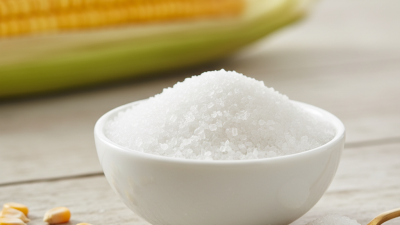
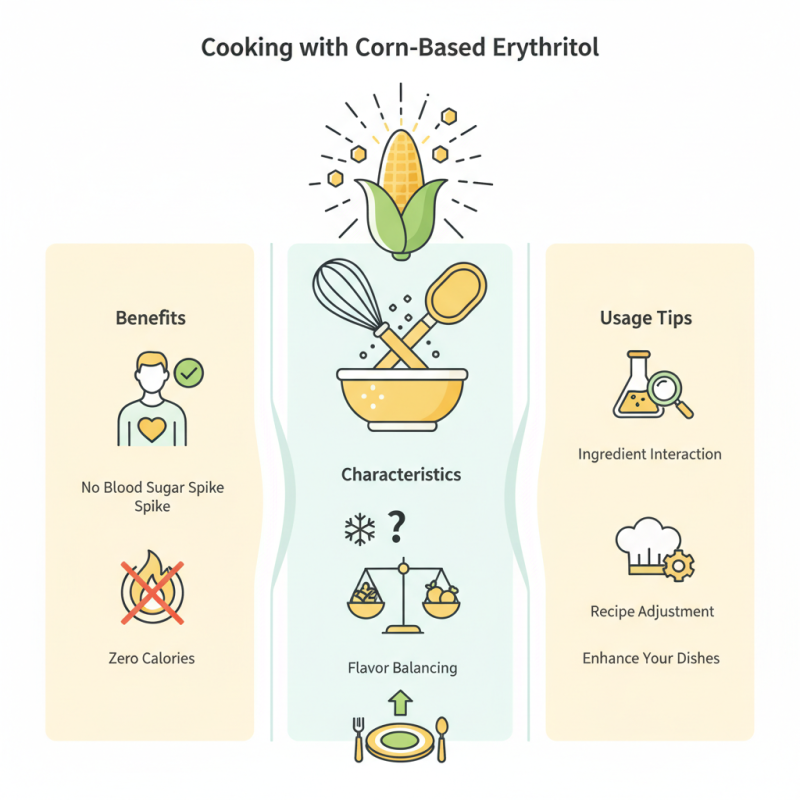
Erythritol is a sugar alcohol that stands out for its low calorie content. It is produced through a fermentation process, primarily derived from corn. Corn is processed to extract enzymes, which break down carbohydrates into glucose. Yeast then ferments this glucose, creating erythritol, a sweetener that resembles sugar in taste but with minimal calories.
Using erythritol made from corn in cooking and baking can be beneficial. It is about 70% as sweet as sugar, making it a healthier alternative. This sweetener doesn’t spike blood sugar levels, which is great for diabetics. However, it can cause digestive discomfort in some people. It’s wise to start small, especially if you’re new to sugar alcohols.
In recipes, erythritol can replace sugar in a one-to-one ratio, although adjustments may be necessary based on your taste preferences. Baking with it can yield slightly different textures, so some experimentation is essential. Keep in mind that donuts or cookies may not brown as much. This means trial and error is part of the process. Many enjoy learning the nuances of cooking with alternatives like erythritol.
Usage of Erythritol in Cooking and Baking
Benefits of Using Erythritol in Cooking and Baking
Erythritol, a low-calorie sweetener derived from corn, has gained popularity in cooking and baking. It offers several benefits, making it a great alternative to traditional sugars. One of the biggest advantages is its low glycemic index, which means it does not significantly raise blood sugar levels. This makes erythritol a safer option for those with diabetes or anyone monitoring their sugar intake.
In addition to being low-calorie, erythritol has about 70% of the sweetness of regular sugar. This means you can use less in your recipes without sacrificing flavor. It's also easily digestible, unlike other sugar alcohols that can cause digestive distress. However, some people may still experience mild gastrointestinal issues if consumed in large amounts.
**Tips**: When baking, substitute erythritol at a ratio of 1:1 for sugar. Incorporating it in your recipes can result in a slightly different texture, which may require adjustments. Experiment with different flour types to enhance the final product. Pair erythritol with flavor enhancers, like vanilla or cocoa, to mask any aftertaste and create a more balanced dish. Always taste your creations; this will help guide your adjustments for the right sweetness.
Cooking Techniques: Incorporating Erythritol into Recipes
Erythritol, derived from corn, is a popular sugar substitute in cooking and baking. Its unique properties make it an attractive choice. According to a study published in the Journal of Food Science, erythritol has about 70% of the sweetness of sugar but only 0.24 calories per gram. This underlines its potential for lower-calorie recipes.
When incorporating erythritol, it's crucial to adapt techniques. It does not caramelize like sugar. This means recipes that rely on browning for flavor may need adjustments. For instance, macaron recipes often utilize sugar for structure. Using erythritol may require additional binding agents, like egg whites, to maintain texture.
Erythritol’s cooling effect can also be a consideration. In some recipes, it can leave an aftertaste. Experimenting with flavors, such as vanilla or almond extract, can help mask this sensation. Maintaining the balance of flavors is key. Overall, while erythritol can enhance dishes, careful adjustments are necessary to achieve desirable results.
How to Use Erythritol Made From Corn in Your Cooking and Baking?
| Recipe Type |
Erythritol Amount (g) |
Sugar Equivalent (g) |
Description |
| Cookies |
100 |
100 |
Use erythritol for a low-calorie sweetener option in cookie recipes. |
| Brownies |
150 |
120 |
Substitute erythritol for sugar to maintain the richness without extra calories. |
| Smoothies |
25 |
20 |
Add erythritol to enhance sweetness without additional sugars. |
| Pancakes |
50 |
40 |
Use erythritol to sweeten pancake batter for a healthier breakfast. |
| Sauces |
30 |
24 |
Incorporate erythritol in savory sauces for an unexpected sweet twist. |
Tips for Baking with Erythritol: Overcoming Challenges
Baking with erythritol can be a rewarding experience. However, it does come with its own set of challenges. Erythritol, a sugar alcohol derived from corn, has about 70% of the sweetness of regular sugar. Its unique properties can affect texture and flavor in baked goods. For instance, erythritol does not caramelize like sugar, which can impact the browning of cookies and cakes.
One common issue is the cooling effect. Erythritol can leave a refreshing, almost minty sensation on the palate. This can be a positive or negative aspect, depending on the recipe. Studies show that over 60% of bakers report varying results when substituting erythritol for sugar. This inconsistency can be attributed to differences in moisture absorption. Using a blend of erythritol and other sweeteners can mitigate this issue.
Another consideration is the need for adjustments in liquid ingredients. Recipes may require additional liquid to maintain moisture. Erythritol’s higher solubility can lead to drier outcomes in some instances, resulting in a crumbly texture. Experimenting with ratios is essential. Some bakers find success by using 25% more liquid than when using sugar. Adjusting baking times and temperatures may also yield better results.