Choosing the best Alternative To Erythritol in China requires more than comparing sweetness levels. Food manufacturers must examine taste, texture, digestive tolerance, cost, labeling, and supply reliability. The right option may differ between beverages, bakery products, confectionery, and nutritional foods.
Several ingredients deserve careful attention. Allulose can provide a sugar-like profile, but its availability, regulatory status, and application limits require verification. Xylitol offers familiar sweetness and useful cooling effects, yet excessive intake may cause digestive discomfort. Stevia and monk fruit extracts provide intense sweetness, although their aftertaste can become noticeable without blending. Isomalt may support hard candies and reduced-sugar products, but it does not suit every formulation.
Practical testing matters.
A laboratory formula may behave differently on a production line. Temperature, moisture, acidity, and packaging can change the final result. Experienced product developers often test sweetness curves, mouthfeel, stability, and consumer acceptance before making a commercial decision. They should also confirm supplier documentation and check applicable Chinese food standards with qualified regulatory professionals.
There is no universal winner. That is the difficult part. A promising ingredient may perform well in tea but fail in soft cookies. Another may reduce calories while increasing formulation costs. This article compares the leading alternatives through a China-focused lens, using technical performance and commercial practicality as key measures. It also considers an issue that is easy to overlook: consumer expectations are changing, but not always in the same direction. The best choice is usually the one that balances safety, compliance, sensory quality, and realistic manufacturing conditions.

What Is the Best Alternative to Erythritol in China?
Erythritol provides about 70% of sucrose’s sweetness and only 0.2 kcal per gram. That baseline matters when selecting an alternative for drinks, bakery items, or reduced-sugar snacks. A substitute must match sweetness, texture, cooling sensation, and digestive tolerance. One ingredient rarely performs perfectly.
Allulose may offer a similar sweetness level, but its regulatory availability in China requires careful verification. Xylitol tastes closer to sugar and delivers stronger sweetness, yet it provides more calories and may affect digestion when consumed excessively. Steviol glycosides and mogrosides are much sweeter than sugar, so they work best in tiny amounts. However, they can leave bitterness or a lingering aftertaste. My practical view is cautious: a blend may perform better than one direct replacement, but blending also complicates testing.
Tips: Start with sucrose at 10% in a small bench sample. Compare sweetness, mouthfeel, cooling, and aftertaste separately. Check the current Chinese food standards before commercial use. Do not rely only on a supplier’s sweetness chart. Temperature, acidity, and other ingredients can shift the result. Keep tasting notes. The first formula may be wrong. That is useful information.
| Sweetener | Relative Sweetness vs. Sucrose | Energy Value | Typical Glycemic Index | Key Advantages | Key Limitations | Best-Fit Applications |
|---|---|---|---|---|---|---|
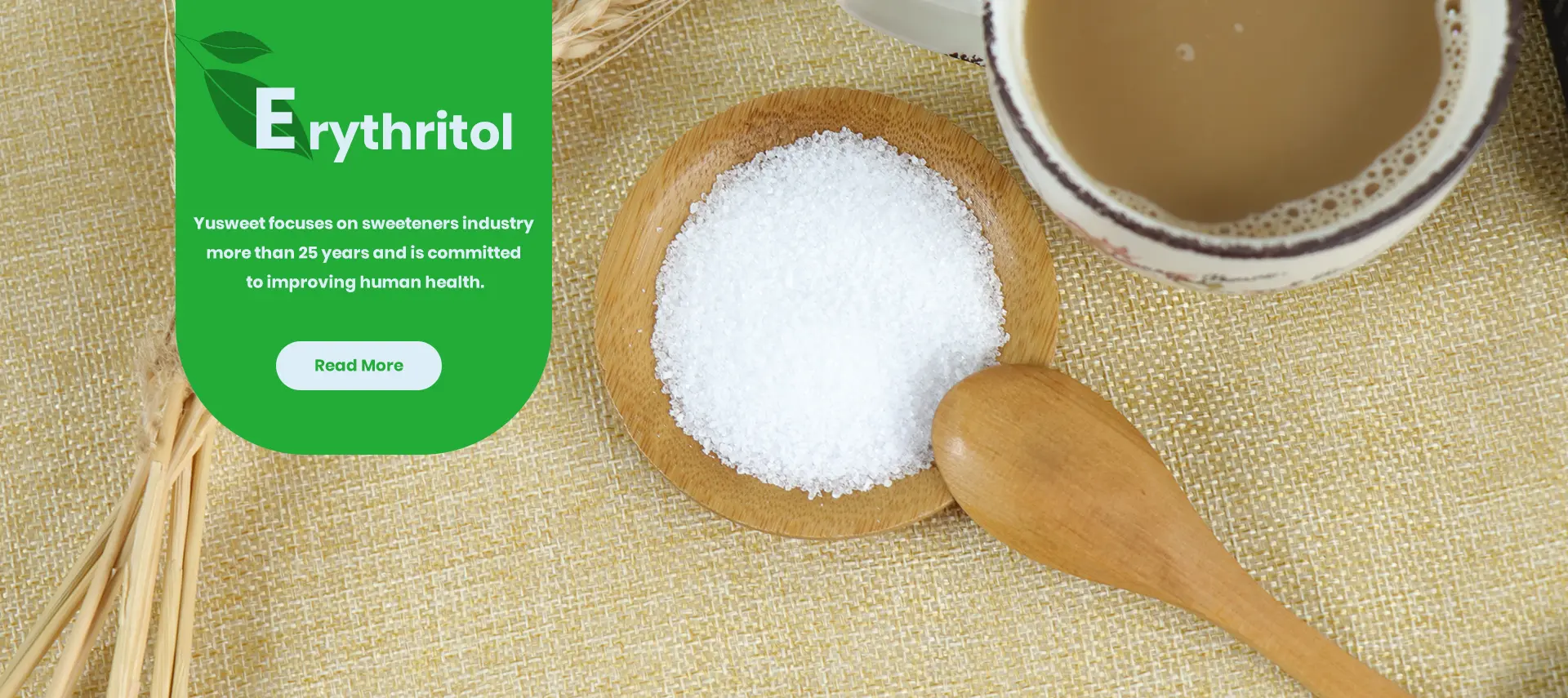
| Erythritol Baseline |
Approximately 70% | Approximately 0.2 kcal/g | 0 | Very low energy contribution; minimal effect on blood glucose; provides bulk, cooling sensation, and useful crystallization properties. | Lower sweetness than sucrose; excessive intake may cause gastrointestinal discomfort in some individuals. | Reduced-sugar beverages, tabletop sweeteners, confectionery, bakery, and blended sweetener systems. |
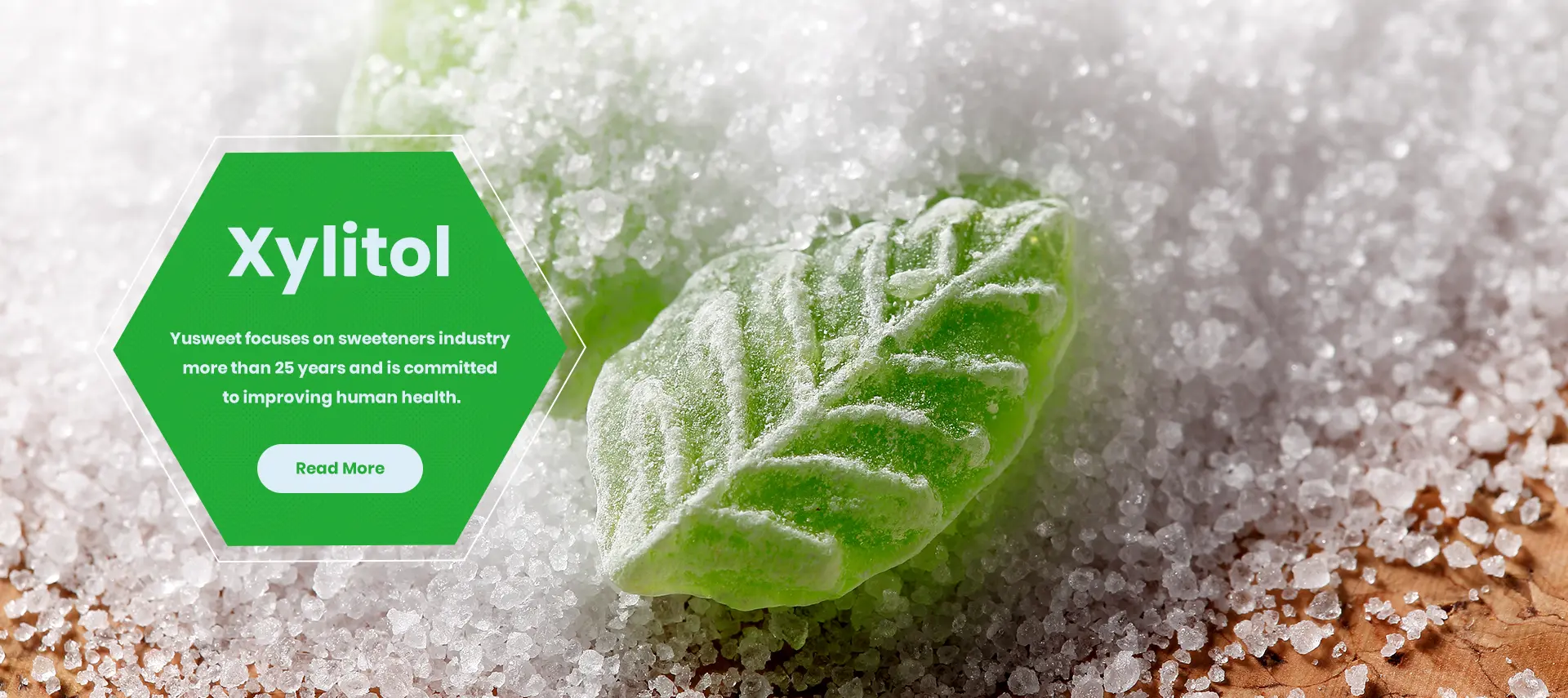
| Xylitol | Approximately 90–100% | Approximately 2.4 kcal/g | Approximately 13 | Sweetness close to sucrose; produces a cooling sensation; useful for sugar-free confectionery and oral-care products. | Higher calorie content than erythritol; excessive consumption can produce a laxative effect; highly toxic to dogs. | Chewing gum, mints, candies, oral-care products, and applications requiring sucrose-like sweetness. |
| Sorbitol | Approximately 50–70% | Approximately 2.6 kcal/g | Approximately 9 | Provides sweetness, moisture retention, and humectancy; supports soft texture and shelf-life stability. | Lower sweetness and higher energy value than erythritol; excessive intake may cause gastrointestinal discomfort. | Soft candies, bakery fillings, pharmaceuticals, oral-care products, and moisture-sensitive formulations. |
| Isomalt | Approximately 45–65% | Approximately 2.0 kcal/g | Approximately 2 | Low glycemic response; good heat stability; low hygroscopicity; suitable for hard-boiled and molded confectionery. | Less sweet than erythritol and sucrose; excessive intake may cause digestive discomfort. | Hard candies, lozenges, decorative confectionery, and products requiring glass-like texture. |
| Allulose | Approximately 70% | Approximately 0.2–0.4 kcal/g | Very low; generally reported near 0 | Sweetness and energy profile are close to the erythritol baseline; contributes browning, bulk, and a sugar-like mouthfeel. | Regulatory permissions and labeling requirements must be checked for the intended Chinese application; may show limited sweetness intensity in some formulas. | Reduced-sugar beverages, sauces, bakery products, and formulations seeking sugar-like browning and texture. |
| Steviol Glycosides | Approximately 200–350 times sucrose | Approximately 0 kcal/g | 0 | Very high sweetness; nearly zero energy contribution; effective at low use levels. | Can have bitter, licorice-like, or lingering notes; cannot replace the bulk and structure of sugar or erythritol on its own. | Low-calorie beverages, dairy products, tabletop blends, and high-intensity sweetener systems. |
| Monk Fruit Extract Mogrosides |
Approximately 100–250 times sucrose | Approximately 0 kcal/g | 0 | High sweetness intensity; plant-derived profile; can reduce the amount of bulk sweetener required. | May have lingering or fruity notes; requires a bulking agent in most solid-food applications; regulatory status depends on the specific use and product category. | Reduced-sugar beverages, powdered mixes, dairy products, and natural-positioned sweetener blends. |
| Sucralose | Approximately 600 times sucrose | Approximately 0 kcal/g | 0 | Very high sweetness; strong heat and pH stability; useful at extremely low concentrations. | Does not provide bulk; excessive use can create a lingering sweet taste; must be accurately dosed and legally labeled. | Beverages, dairy products, sauces, tabletop products, and blends with bulking sweeteners. |