China Top Erythritol Food Additive Suppliers?

Choosing among China’s top Food Additives Erythritol suppliers requires more than comparing prices. A reliable supplier should show production experience, stable quality, and clear documentation. Buyers should examine food-grade certifications, batch testing, traceability, and packaging conditions. A clean factory floor matters. So does a readable certificate.

Dr. John Fernstrom, a respected researcher in nutrition and erythritol metabolism, has stated, “Erythritol is absorbed in the small intestine and excreted largely unchanged in the urine.” This observation helps explain its low-calorie profile, but it does not remove the need for careful evaluation. Supplier claims still require independent verification. Product performance can vary with purity, crystallization, moisture control, and storage.

China has many capable manufacturers, yet “top” should not mean “largest” or “cheapest.” It should mean dependable across repeated shipments. Strong suppliers usually provide technical data sheets, certificates of analysis, allergen statements, and detailed quality procedures. They can also explain particle size and application suitability for beverages, confectionery, bakery products, and tabletop sweeteners.

There is no perfect shortlist.

A thoughtful review should compare factory audits, communication speed, sample consistency, and export experience. Some suppliers may present polished websites but limited technical depth. Others may have excellent production yet weak English documentation. That gap can create avoidable mistakes. This guide examines leading Chinese options through an E-E-A-T lens, combining practical sourcing experience, technical knowledge, supplier authority, and verifiable evidence.

China Top Erythritol Food Additive Suppliers?

What Is Erythritol and Why Is It Used in Food Additives?

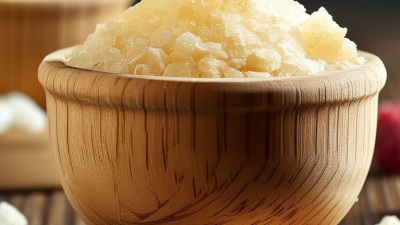
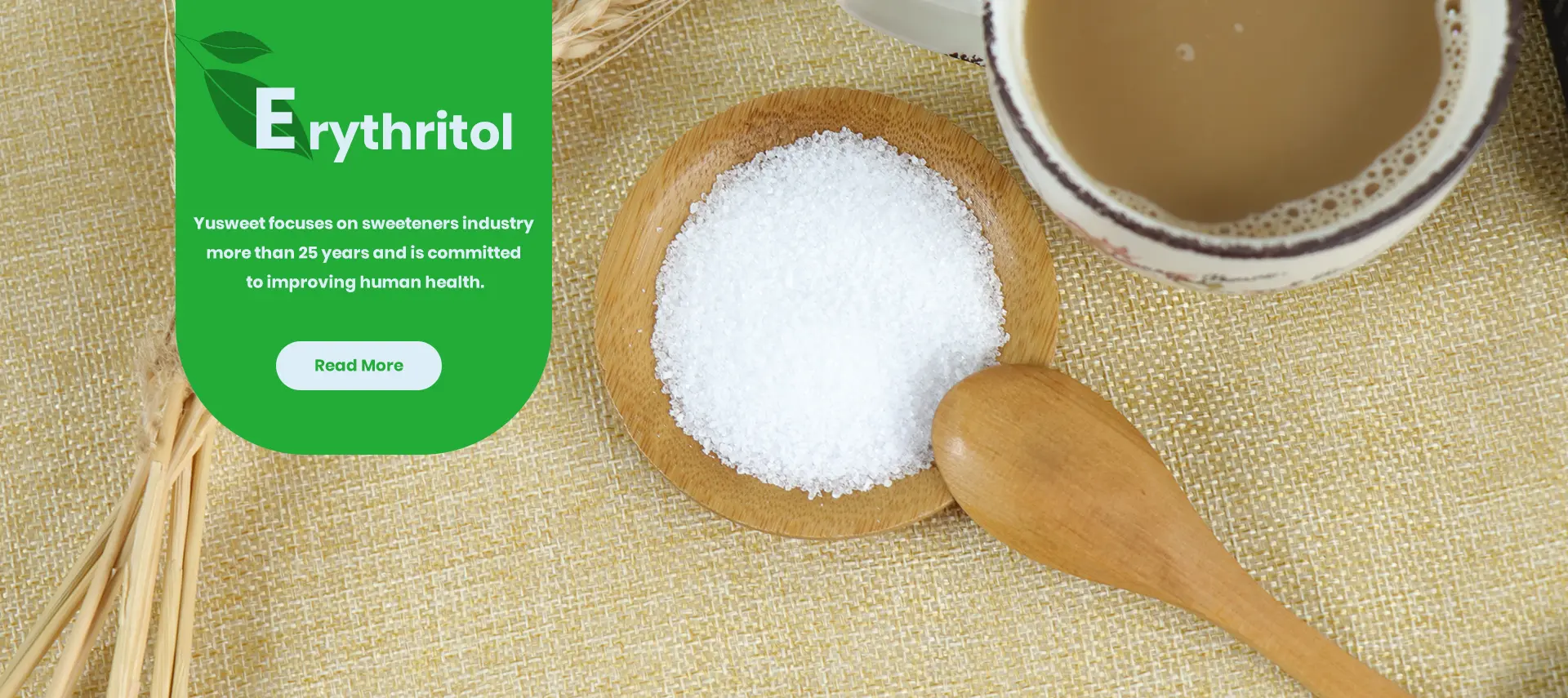
Erythritol is a sugar alcohol used as a low-calorie sweetener in foods and beverages. It occurs naturally in small amounts in fruits, mushrooms, and fermented products. Commercial erythritol is usually produced by fermenting glucose with food-grade microorganisms. It provides roughly 60–70% of sugar’s sweetness, with very few calories in many regulatory systems.

Its value goes beyond sweetness. Erythritol adds bulk to reduced-sugar recipes, helps create a clean texture, and can produce a noticeable cooling sensation on the tongue. It also has limited effects on blood glucose for most people and does not promote tooth decay like ordinary sugar.

However, it is not a perfect substitute. Large servings may cause bloating or digestive discomfort, and its cooling effect can feel too strong in some products.

When evaluating Chinese erythritol suppliers, buyers should examine more than price and appearance. Food-grade documentation, batch testing, microbiological results, heavy-metal limits, allergen statements, and production traceability deserve careful review. A reliable supplier should provide consistent assay data and explain storage conditions clearly. In product development, small pilot batches can reveal problems that certificates miss, especially gritty texture or unexpected aftertaste. I would also question unusually cheap offers. They may be legitimate, but they require deeper verification before commercial use. Supplier quality can change over time, so periodic testing remains sensible.

How to Evaluate Erythritol Suppliers in China

China Top Erythritol Food Additive Suppliers?
Evaluating erythritol suppliers in China requires more than comparing prices. Check the supplier’s legal registration, production scope, and export experience. Request a current specification sheet and certificate of analysis for each batch. Key figures include purity, moisture, particle size, microbial limits, and heavy metals. The documents should identify testing methods, laboratories, batch numbers, and issue dates. Vague paperwork deserves careful questioning.
A reliable supplier should explain its fermentation, filtration, crystallization, and drying controls. Ask how it prevents cross-contamination during packing and storage. Visit the facility when possible, or arrange a qualified third-party audit. Look for hygienic zones, calibrated instruments, traceability records, and controlled warehouses. Certifications such as HACCP, GMP, or ISO 22000 can support evaluation, but certificates must be verified with the issuing body. A logo alone proves little.
Order samples from different production batches, not only one attractive sample. Test them through an independent laboratory before signing a long-term contract. Compare sweetness, cooling sensation, solubility, appearance, and stability in your intended product. Packaging also matters; moisture can affect powder flow and performance. Confirm pallet protection, inner liners, shelf life, and shipping conditions. I have found that a neat factory presentation can hide weak batch consistency. Supplier evaluation is never perfectly mechanical. Recheck assumptions when results change.

Leading Types of Chinese Erythritol Food Additive Suppliers

China Top Erythritol Food Additive Suppliers?

Leading Types of Chinese Erythritol Food Additive Suppliers

Chinese erythritol suppliers generally fall into several practical categories. Large-scale manufacturers produce erythritol from approved food-grade raw materials. They often provide stable capacity, batch records, and export documentation. Specialized ingredient producers focus on powder size, cooling sensation, and application performance. Their products may suit beverages, chewing gum, bakery fillings, and tabletop sweeteners. Trading and export suppliers connect overseas buyers with several factories. However, their technical control can vary.

Some suppliers offer custom formulation and contract production services. This option helps food companies test different sweetness levels or particle sizes. It may also support private packaging and application trials. Yet formulation advice should be verified by an independent food technologist. A confident sales explanation is not always technical proof.

During supplier evaluation, request a current certificate of analysis for each batch. Check erythritol purity, moisture, microbiological limits, heavy metals, and particle distribution. Review traceability procedures, packaging materials, storage conditions, and complaint handling. Food safety certifications add credibility, but certificates require careful validation. Batch consistency matters. Small differences can affect texture and cooling intensity. Samples should be tested in the final recipe, not only in water. A practical audit should include factory hygiene, laboratory equipment, and staff training. Low pricing can look attractive, but it may hide weaker testing or inconsistent logistics. No supplier is perfect, and even a well-managed producer may need closer monitoring during seasonal demand.

China Top Erythritol Food Additive Suppliers? - Leading Types of Chinese Erythritol Food Additive Suppliers

Supplier Type Typical Product Grades Typical Purity Specification Available Forms Common Applications Common Quality Documents Best-Suited Buyer
Large-scale integrated manufacturers Food-grade erythritol; standard and fine grades Usually not less than 99.5% erythritol on a dry basis, subject to the product specification Crystalline granules, powder, and customized particle sizes Tabletop sweeteners, beverages, confectionery, bakery, dairy products, and reduced-sugar foods Certificate of analysis, food-safety system certification, allergen statement, and traceability documents Large food manufacturers and international distributors
Export-oriented food additive manufacturers Food-grade granulated erythritol and powdered erythritol Common commercial specification: 99.5% or higher; exact limits should be confirmed by the batch COA Granules, fine powder, and retail-ready or industrial packaging Sugar-free foods, nutritional products, sauces, drinks, and imported ingredient blends COA, specification sheet, SDS, origin documents, packing list, and export compliance records Overseas importers, private-label producers, and ingredient wholesalers
Customized particle-size suppliers Standard crystals, fine powder, instant-dissolving grades, and application-specific grades Generally aligned with food-grade erythritol requirements; purity and particle distribution vary by specification Coarse crystals, regular granules, fine powder, and agglomerated powder Powdered drink mixes, chewing gum, chocolate, baking premixes, and instant formulations Particle-size distribution report, COA, technical data sheet, and sample evaluation records Formulators requiring specific dissolution, mouthfeel, or processing performance
Blending and compound sweetener suppliers Erythritol-based blends with high-intensity sweeteners or bulking ingredients Erythritol content depends on the formulation; the finished blend requires a separate specification Powder blends, granulated blends, sachet fillings, and customized premixes Tabletop sweeteners, low-sugar bakery mixes, beverage premixes, and nutrition products Full ingredient declaration, allergen statement, nutrition data, COA, and blending traceability records Brands seeking a ready-to-use sweetener system instead of a single ingredient
Small- and medium-batch flexible suppliers Standard food-grade erythritol, trial quantities, and customized packaging Commercial food-grade specifications are commonly available; minimum order and test-batch terms vary Powder or granules in laboratory, sample, and industrial pack sizes Product development, pilot production, online retail packing, and small food businesses Sample COA, product specification, packaging details, and basic compliance documents Start-ups, test kitchens, small manufacturers, and buyers validating new formulas
Integrated production and distribution suppliers Erythritol plus complementary sweeteners, fibers, and functional food ingredients Single-ingredient erythritol is typically specified separately from the broader ingredient portfolio Bulk granules, powder, blended systems, and contract-packed formats Multi-ingredient formulations, functional beverages, sports nutrition, and health-oriented foods COA, technical data sheets, regulatory statements, supply-chain traceability, and formulation support records Manufacturers needing several ingredients from one sourcing channel

Note: Specifications, certifications, particle size, packaging, minimum order quantity, and export documentation vary by supplier and production lot. Buyers should verify the current product specification and certificate of analysis before purchase.

Quality Standards, Certifications, and Production Capabilities

China’s leading erythritol suppliers should be assessed through evidence, not production claims. Grand View Research’s 2024 market report projected roughly 7% annual growth through 2030. That growth increases pressure on quality control.

JECFA lists erythritol as INS 968 and provides identity and purity specifications. Chinese food-grade material should also comply with applicable GB 2760 requirements. Ask for current ISO 22000, FSSC 22000, HACCP, Halal, Kosher, or non-GMO certificates. Verify their scope and expiry dates. A certificate is not proof of every batch.

Production usually begins with glucose fermentation. The process then includes filtration, decolorization, crystallization, drying, and controlled packing. Strong facilities monitor fermentation temperature, conductivity, moisture, particle size, and microbial counts. Commercial food-grade erythritol commonly reaches 99% or higher purity, but buyers should confirm the exact specification. Request recent certificates of analysis for purity, loss on drying, ash, lead, arsenic, and total plate count.

Traceability matters. Good suppliers can connect each pallet to raw materials, laboratory results, and shipment records. In my experience, this separates a dependable manufacturer from a capable-looking trader. Capacity figures can also mislead. Annual output is not the same as available capacity. Ask for monthly production records, backup utilities, and contamination-control procedures. I would still arrange an independent pre-shipment test. Small gaps often appear there.

How to Select the Right Chinese Erythritol Supplier

China Top Erythritol Food Additive Suppliers?

How to Select the Right Chinese Erythritol Supplier

Selecting a Chinese erythritol supplier requires more than comparing quotations. Confirm the supplier’s manufacturing experience, product specifications, and export documentation. Request a recent certificate of analysis for every intended grade. Check assay, moisture, particle size, microbiological results, and heavy metal limits. The details matter.

Ask how the erythritol is produced and controlled. A reliable supplier should explain its raw material sources, fermentation controls, filtration process, and packaging conditions. Visit the facility when possible, or arrange an independent audit. Clean floors, sealed bags, batch labels, and organized storage reveal more than attractive brochures. Request samples from different production batches. One sample is not enough.

Packaging should match your shipping route and storage environment. Moisture can affect powder flow and handling. Confirm whether bags use food-grade inner liners and whether pallets are protected during transport. Review batch traceability, complaint procedures, lead times, and payment terms before placing a large order. A supplier with clear answers is usually easier to manage.

Price still matters, but it should not lead the decision. In practical sourcing work, I have seen low quotations hide incomplete testing or unstable delivery schedules. That judgment can be wrong, so verify it with documents and small trial orders. Ask for references from comparable food manufacturers, while checking those references independently. A careful supplier may not promise everything, and that is often a healthier sign.