Top 10 Benefits of Erythritol as a Food Additive in Your Diet?
Erythritol, a popular food additive, has gained traction in the health-conscious community. This low-calorie sweetener is derived from natural sources, presenting a viable alternative to sugar. According to a report by the Food and Agriculture Organization, erythritol has been recognized for its lower glycemic index, making it suitable for diabetics. Experts like Dr. Anna Reynolds, a nutrition scientist, state, "Food additives like erythritol offer sweetening without the calorie burden."
Recent studies show that erythritol's health benefits extend beyond mere sweetness. Research indicates it may improve dental health by reducing the growth of harmful bacteria. Additionally, it provides a natural way to enhance flavor without excess calories. The increasing consumer demand for healthier options has led to significant market growth for erythritol. In 2022, the global erythritol market was valued at over $300 million and is expected to grow further.
However, some individuals might experience digestive issues if consumed in large amounts. It's essential to consider these factors when incorporating erythritol into your diet. The ongoing discussions in the food industry highlight the need for continuous research on "Food Additives Erythritol." Despite its advantages, caution is warranted, reminding consumers to listen to their bodies and adjust accordingly.

Overview of Erythritol: What It Is and How It Works
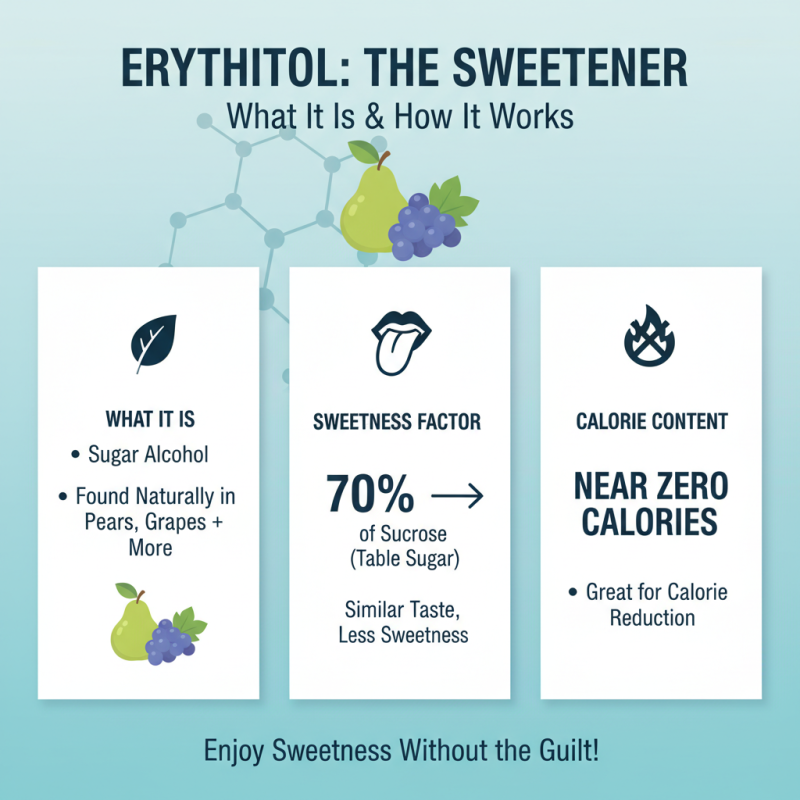
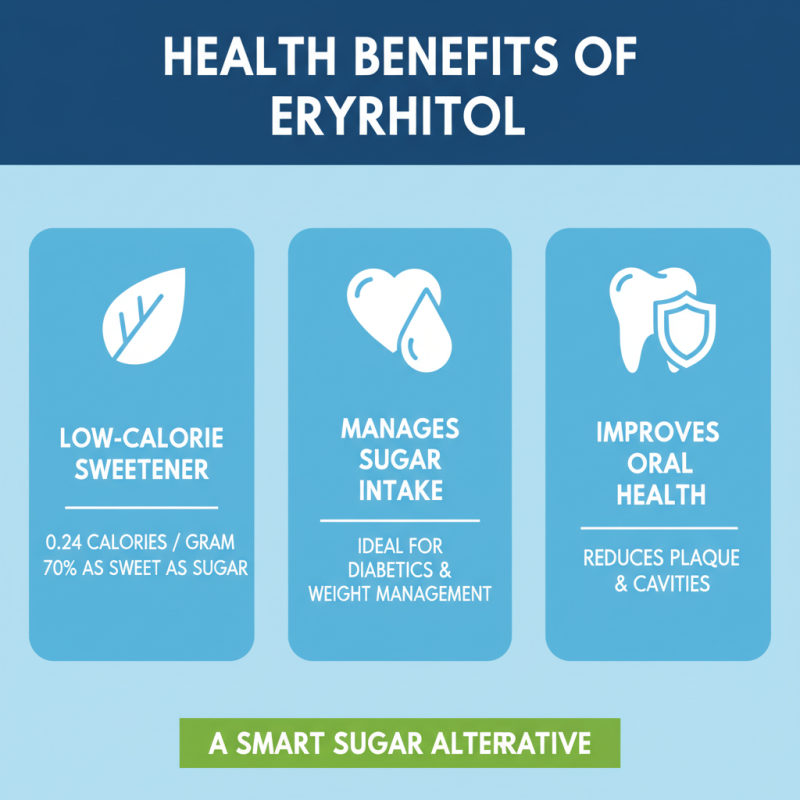
Erythritol is a sugar alcohol that has gained popularity as a food additive. It is naturally found in fruits like pears and grapes. Its sweetness is approximately 70% that of sucrose, yet it contributes little to calorie intake. This makes erythritol a fantastic option for those seeking to reduce calorie consumption without sacrificing taste.
One key feature of erythritol is its unique digestive properties. Unlike regular sugar, erythritol is absorbed in the small intestine, minimizing the likelihood of gastrointestinal distress for most people. This absorption pattern results in fewer sugar spikes in the bloodstream. Additionally, erythritol does not promote tooth decay, making it an appealing choice for dental health.
However, some individuals may experience sensitivity to sugar alcohols, including erythritol. It's wise to use it in moderation. We are still learning about the long-term effects of erythritol, and personal tolerance can vary. Keep in mind that while erythritol serves as a low-calorie substitute, it isn’t a perfect solution for everyone. Building awareness around how it interacts with your body is essential for making informed dietary choices.
Erythritol's Role in Blood Sugar Management and Diabetes Prevention
Erythritol is emerging as a popular alternative sweetener, especially for individuals managing blood sugar levels. Research shows that erythritol has a glycemic index of zero. This means it does not raise blood sugar or insulin levels. A study published in "Nutrition Journal" noted that replacing sugar with erythritol can help mitigate blood sugar spikes, making it beneficial for diabetics and those at risk.
Erythritol also appears to have a role in reducing insulin resistance. A clinical trial involving prediabetic individuals found that consuming erythritol led to improved markers of insulin sensitivity. Participants reported steadier energy levels and less hunger throughout the day. While erythritol can be a healthier option, it is critical to assess individual tolerance. Some may experience digestive discomfort with higher amounts. Moderation is key.
Health professionals emphasize the importance of a balanced diet. Erythritol can complement good nutritional practices, but it should not be a go-to sweetener for everyone. Being aware of personal dietary responses is essential. The need for ongoing research is clear, as the full impact of erythritol over the long term remains to be seen. Understanding both the benefits and potential downsides can lead to informed dietary choices.
Top 10 Benefits of Erythritol as a Food Additive in Your Diet
Comparison of Erythritol with Other Sugar Alcohols and Sweeteners
Erythritol stands out among sugar alcohols and sweeteners for its unique properties. Unlike many sweeteners, it contains zero calories, making it attractive for weight management. Its low glycemic index means it does not spike blood sugar levels, which benefits those with diabetes. This makes erythritol a reliable alternative in many diets.
When comparing erythritol to other sugar alcohols like xylitol or sorbitol, its digestive tolerance is noteworthy. While some sugar alcohols can cause bloating and discomfort, erythritol is generally well-tolerated. Studies indicate that it is absorbed in the small intestine and excreted unchanged, reducing gastrointestinal issues. However, individual responses can vary, and some may still experience mild side effects.
Another aspect to consider is sweetness intensity. Erythritol is about 70% as sweet as table sugar. This means it may require adjustments in recipes when substituting. Users may notice a cooling sensation that can be off-putting in certain applications. Understanding these nuances helps in making informed dietary choices, ensuring erythritol can be effectively integrated into one’s lifestyle while maintaining flavor.
Potential Side Effects and Considerations for Erythritol Consumption
Erythritol, a popular sugar substitute, may have some side effects that merit attention. Research indicates that consuming erythritol can lead to gastrointestinal discomfort in some individuals. A study published in the journal "Obesity" highlighted that about 30% of people reported issues like bloating and diarrhea after consuming erythritol in larger quantities (Gibson et al., 2020).
Additionally, erythritol is known to affect blood glucose levels differently than other sweeteners. While it has a low glycemic index, some studies suggest that excessive consumption can still influence insulin response for certain individuals. According to a report by the American Journal of Clinical Nutrition, even small amounts can cause slight elevations in insulin levels for some, emphasizing the importance of moderation in its use (Havel et al., 2021).
Moreover, while erythritol is generally recognized as safe, it is essential to reflect on overall diet choices. Some experts urge caution, especially for individuals with specific health conditions. It’s crucial to consider alternatives and varying dietary impacts. This nuanced understanding fosters a more responsible approach to using erythritol as a food additive. Balancing consumption with awareness of personal health needs can lead to healthier eating habits.
Top 10 Benefits of Erythritol as a Food Additive in Your Diet
| Benefit |
Description |
| Low Caloric Content |
Erythritol contains 0.24 calories per gram, making it a great option for calorie-conscious diets. |
| Dental Health |
Does not contribute to tooth decay and may even help to prevent cavities. |
| Blood Sugar Regulation |
Does not spike insulin levels, making it a suitable sweetener for diabetics. |
| Natural Origin |
Naturally found in some fruits, making it a more natural sugar alternative. |
| Gut Health |
May promote healthy gut bacteria, although research is still ongoing. |
| Taste Profile |
Offers a similar sweetness profile to sugar without the aftertaste found in some other sugar substitutes. |
| Versatile Usage |
Can be used in a wide variety of recipes, from baked goods to drinks. |
| No Glycemic Impact |
Has no significant effect on blood glucose levels. |
| Antioxidant Properties |
May have antioxidant effects that help combat oxidative stress in the body. |