10 Best Erythritol Made From Corn Suppliers?
Erythritol Made From Corn is gaining attention as food manufacturers seek lower-calorie sweetening solutions. Corn starch is typically converted into glucose, then fermented and crystallized into erythritol. The process sounds simple. Quality control is not.
Grand View Research and IMARC Group both report continued growth in the global erythritol market, driven by reduced-sugar foods, beverages, and dietary products. However, their market estimates differ because definitions, regions, and product categories vary. That difference deserves attention. Numbers are useful, but they are not perfect.
Cleveland Clinic registered dietitian Anna Taylor describes erythritol as “a sugar alcohol that occurs naturally in some fruits and fermented foods.” Her explanation helps separate the ingredient from ordinary table sugar. For this supplier guide, we examine more than price. We consider corn traceability, fermentation controls, purity, sweetness consistency, allergen statements, non-GMO documentation, certifications, and batch-specific certificates of analysis. Supplier reliability also depends on packaging, storage guidance, and response time when specifications change.
No supplier is flawless. A polished website cannot replace laboratory evidence. Buyers should verify whether “corn-based” refers to the fermentation feedstock or merely the company’s regional sourcing claim. That distinction can affect labeling, customer expectations, and purchasing decisions. The following ten suppliers are therefore assessed through a practical lens: documented quality, manufacturing experience, technical support, and transparency. Some information may change between production cycles, so direct confirmation remains necessary.
What Is Corn-Derived Erythritol and How Is It Produced?
10 Best Erythritol Made From Corn Suppliers?
What Is Corn-Derived Erythritol and How Is It Produced?
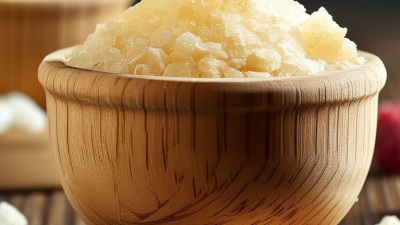
Corn-derived erythritol starts with corn starch, not raw corn kernels. Manufacturers break the starch into glucose through enzymatic hydrolysis. A controlled fermentation then converts glucose into erythritol. Common production cultures include Moniliella species and related microorganisms.
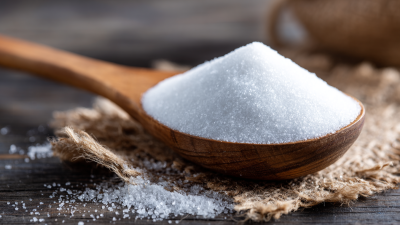
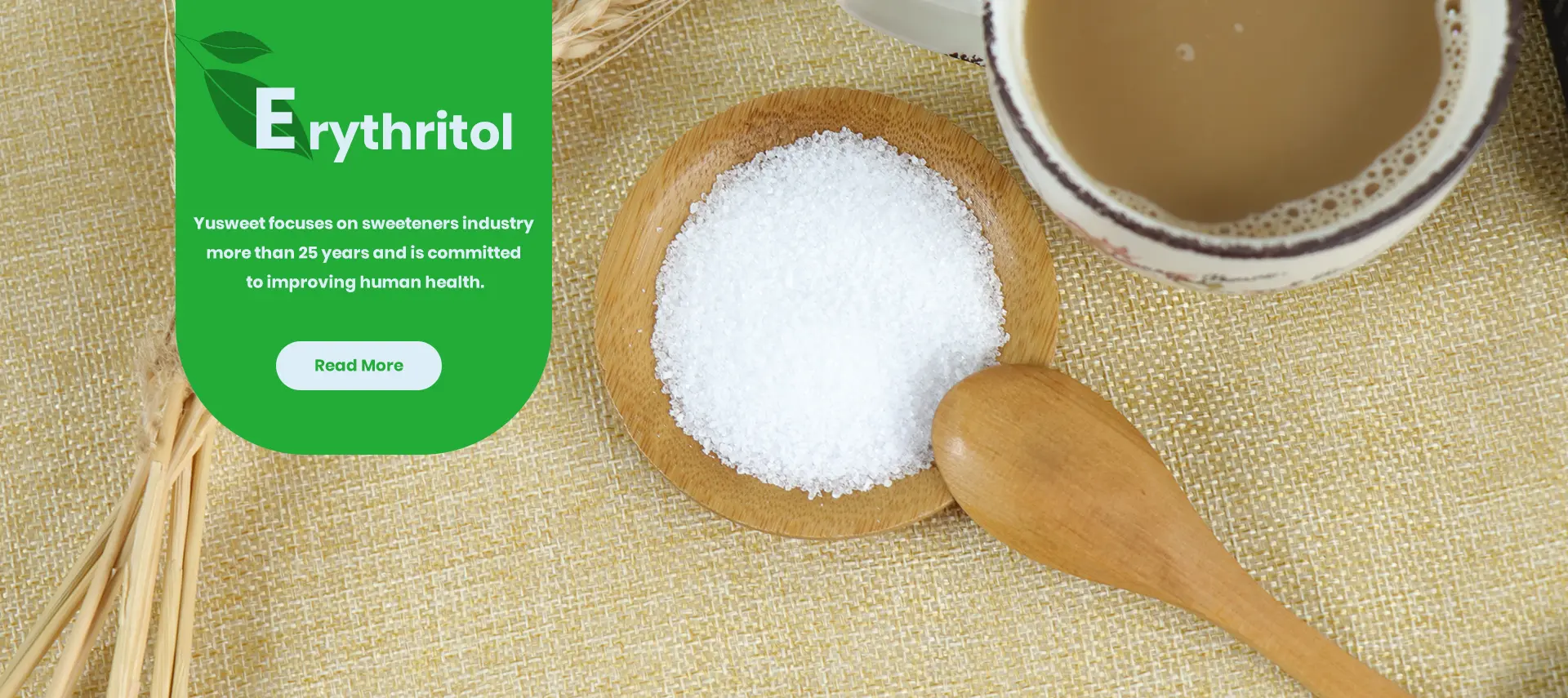
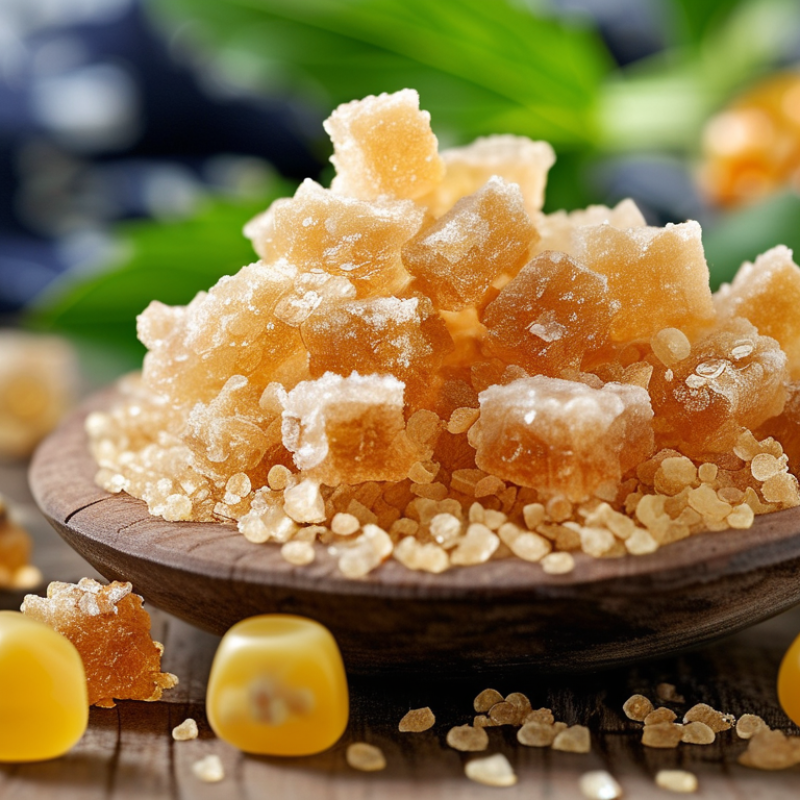
The fermented liquid contains water, cells, minerals, and other by-products. Producers remove these materials through filtration, decolorization, and ion exchange. The purified solution is concentrated and cooled. Erythritol crystals form during this stage. Drying produces the familiar white powder.
The process is precise, but not effortless. Small changes in pH, temperature, or fermentation time can affect yield and crystal quality. This point matters when comparing suppliers. A low price may reflect weaker purification or less consistent testing.
Corn source verification also deserves attention. Reliable suppliers should provide starch origin records, fermentation controls, allergen statements, and batch-specific certificates of analysis. Testing commonly covers purity, moisture, heavy metals, microbiological limits, and residual solvents.
Regulatory data supports erythritol’s established use. The Joint FAO/WHO Expert Committee on Food Additives assigned erythritol an “acceptable daily intake not specified” conclusion in its safety evaluation. The U.S. Food and Drug Administration lists erythritol at approximately 0.2 calories per gram, far below the value for sucrose. EFSA’s 2015 scientific opinion also found no safety concern under proposed food-use conditions. Still, “corn-derived” does not automatically mean better. Fermentation quality, traceability, and independent verification remain more useful measures.
Key Standards for Evaluating Erythritol Suppliers
When evaluating erythritol made from corn, traceability should come before price. USDA’s 2025 World Agricultural Supply and Demand Estimates places global corn production near 1.2 billion metric tons. Supply is large, but origin records still matter. Ask for the growing region, crop year, processing site, and fermentation substrate. A reliable supplier should connect each lot to a batch record. Vague answers are warning signs.
Food safety systems deserve close inspection. Look for current HACCP verification and certification under ISO 22000 or FSSC 22000. Request a recent certificate of analysis showing erythritol assay, moisture, ash, reducing sugars, heavy metals, and microbiological limits. Testing should follow recognized methods, such as those published by AOAC International. The Joint FAO/WHO Expert Committee on Food Additives has evaluated erythritol safety, but finished-product quality still depends on contamination controls and process discipline.
Non-GMO claims require evidence.
Request identity-preserved corn documentation, supplier declarations, and independent verification where appropriate. Also check allergen controls, cleaning validation, packaging integrity, and storage conditions. A food-grade label alone is insufficient. I would compare at least three consecutive lot reports, not one attractive sample. No audit is perfect. Internal records can be incomplete, and certificates can expire quietly. That weakness deserves attention. A practical assessment should include a factory audit, retained-sample testing, and clear procedures for complaints, recalls, and shipment deviations. Suppliers earning trust explain failures precisely, rather than hiding behind polished paperwork.
Comparing Supplier Quality, Certifications, Pricing, and Capacity
10 Best Erythritol Made From Corn Suppliers?
When comparing corn-derived erythritol suppliers, quality should begin with traceability. Ask for the corn source, fermentation method, purification steps, and batch records. A dependable supplier should provide a current certificate of analysis, showing purity, moisture, heavy metals, and microbiological limits. In my experience, clear documentation often reveals more than polished sales materials. Some suppliers advertise high purity but provide incomplete testing details. That deserves careful review.
Certifications also matter, but their scope must be checked. Look for food-grade GMP, HACCP, ISO 22000, and applicable non-GMO or allergen-control documentation. Organic status may require separate verification. Pricing should include packaging, testing, freight, and minimum order quantities. A low quoted price can become expensive after hidden logistics costs. Capacity is equally important. Confirm monthly output, backup production lines, lead times, and emergency allocation policies. A supplier may offer excellent samples but struggle with a large seasonal order. I have seen this gap create avoidable delays.
Tips: Request three recent batch certificates and compare their results. Test a production sample, not only a laboratory sample. Check sweetness, cooling effect, particle size, and solubility in your formula. Ask whether corn sourcing changes during the year. Also review complaint handling and response times. These practical details can separate a reliable partner from a convenient-looking option. No evaluation is perfect, and supplier performance should be reviewed regularly.
How to Choose the Right Erythritol Supplier for Your Needs
Choosing an erythritol supplier starts with verifying the raw material, not comparing prices. If the product is made from corn, ask for a clear production flow from starch to erythritol. Vague answers deserve caution. Request batch-specific certificates of analysis, allergen statements, microbiological results, and contaminant testing. These documents should match the lot number on the bags. An experienced supplier can explain yield, crystallization, drying, and packaging without hiding behind marketing language.
Food-grade status alone is not enough for every application. Check purity, particle size, sweetness profile, moisture, and performance in your recipe. For beverages, dissolution speed may matter more than crystal appearance. For baking, heat stability and mouthfeel deserve practical trials. Ask for samples from more than one batch. Texture can change. Your team should test the ingredient in the finished product, not only in a laboratory glass. That step catches problems a polished specification may miss.
Reliability also depends on supply continuity. Review production capacity, lead times, minimum order quantities, storage conditions, and backup plans. Traceability matters. Each shipment should connect to a documented batch and a responsive quality contact. Ask how complaints are investigated and how corrective actions are recorded. A low quote can become expensive when documents arrive late or specifications drift. I would also challenge my own assumptions: corn origin, clean labels, or a familiar specification does not automatically guarantee better performance. Request recent test records and compare them with your own trial results.