How to Use Erythritol as a Keto Substitute
Cutting sugar from coffee or a batch of keto cookies sounds simple—until sweetness, texture, and aftertaste change. Erythritol Keto Substitute options can make low-carbohydrate cooking easier, but erythritol behaves differently from table sugar. It is a sugar alcohol with little usable carbohydrate for many people, though nutrition labels and product blends deserve a close look. Some blends contain ingredients that add carbohydrates. Check the package, not just the front label.
A small spoonful may taste clean in iced coffee, while a larger amount can leave a cool sensation on the tongue. Erythritol is also less sweet than sugar, so a one-to-one swap may not taste the same. In baking, it can help provide bulk, but cookies may brown less and feel crisp or grainy after cooling. Results vary. That matters.
This guide explains how to choose erythritol, adjust quantities, and use it in drinks, sauces, and baked goods. It also covers practical cautions, including digestive discomfort some people experience after consuming larger amounts. Start with a modest serving and note how your body responds. Keto needs and tolerance differ, so no single sweetener suits everyone. Erythritol can be useful, not flawless; testing a small recipe first is a sensible way to find out whether it works in your kitchen.

Understand Erythritol’s Role in a Keto Diet
How to Use Erythritol as a Keto Substitute
Understand Erythritol’s Role in a Keto Diet
Erythritol is a sugar alcohol used to sweeten foods with far fewer calories than sugar. It has little effect on blood glucose for most people, so it can fit into some keto meal plans. Still, “keto-friendly” does not mean unlimited. Portion size and the rest of the food matter.
A teaspoon can sweeten coffee or unsweetened yogurt without adding the same sugar load as table sugar. In baking, erythritol may give cookies a crisp texture, but it does not brown or dissolve exactly like sugar. It can also leave a cool sensation on the tongue. The result may be pleasant, or a little odd.
Check the ingredient label. Some sweeteners combine erythritol with other ingredients, which may affect carbohydrate counts. Products also vary, so compare the nutrition panel with your own daily targets. Small amounts are often tolerated, but larger servings can cause digestive discomfort in some people. Start with a modest portion and notice how you feel. That step is easy to overlook. Erythritol can replace sweetness; it cannot make every dessert nutritious or suitable for your needs.
Choose the Right Form for Your Recipe
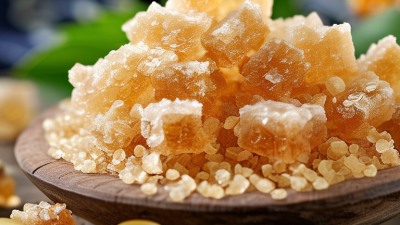
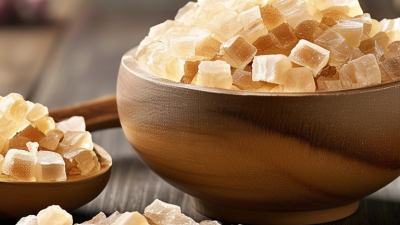
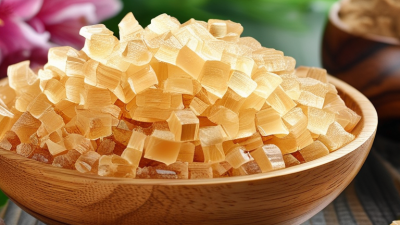
Choosing the right form matters because erythritol behaves differently from sugar. Granulated erythritol works well in coffee, tea, and simple cake batters, where its crystals can dissolve during heating. In cold drinks, stir longer; undissolved crystals may settle at the bottom. For smooth frosting or no-bake fillings, powdered erythritol is usually easier to blend. It can still feel slightly cooling on the tongue. That sensation is normal, but it may stand out in delicate desserts.
For cookies, expect less browning and a crisper texture than sugar would provide. Erythritol does not caramelize like sugar, so a golden edge may take longer—or never appear. A liquid sweetener can suit sauces, but check its ingredient and nutrition labels; blends may contain other sweeteners or carbohydrates. Small batches help. I have to admit, texture predictions are imperfect: flour, moisture, and oven temperature all change the result. The EFSA Panel on Food Additives and Flavourings’ 2023 re-evaluation of erythritol (E 968) established an acceptable daily intake of 0.5 grams per kilogram of body weight per day, based on laxative effects. That is a safety benchmark, not a recipe target. Start with modest portions, especially when testing a new form.
How to Use Erythritol as a Keto Substitute: Choose the Right Form
Approximate sweetness compared with sugar (sucrose = 100%).
Erythritol is about 60–70% as sweet as sugar; the bars show the approximate midpoint. Granulated and powdered forms have similar sweetness. Choose granulated erythritol for drinks and general baking, or powdered erythritol for smoother frostings and fillings. Adjust to taste, since recipes and products vary.
Adjust Sweetness and Measure Erythritol
Adjust sweetness by treating erythritol as less sweet than sugar. A 2018 review in Nutrients reports that erythritol provides about 60–80% of sucrose’s sweetness. In coffee, start with a little less than your usual sugar amount, stir, and taste. Add more gradually. Taste first. Baking needs a different approach: replacing sugar cup for cup can leave cookies less sweet and noticeably crisp.
Use a kitchen scale when a recipe gives weights. For a simple starting point, try about 125 grams of erythritol for every 100 grams of sugar, then adjust in later batches. The exact result depends on the recipe and your taste. Erythritol can also recrystallize as baked goods cool, leaving a faint cooling sensation or grainy texture. Texture changes. It is worth testing a small batch before changing a whole recipe.
Portion size matters, too. In its 2023 reassessment, the European Food Safety Authority set an acceptable daily intake of 0.5 grams per kilogram of body weight, based on concerns about laxative effects. This is a safety limit, not a daily target. A large sweetened drink plus dessert can add up quickly. Check serving sizes, and note how your digestion responds; tolerance varies. One easy mistake is assuming a keto substitute behaves exactly like sugar. It does not.
Use Erythritol in Cooking and Baking
Erythritol can replace sugar in many keto-friendly recipes, but it does not behave exactly like sugar. It is roughly 70% as sweet, so a cup-for-cup swap may taste less sweet. I learned this the hard way with a batch of muffins that looked right but tasted a little flat. Adjust gradually, and taste the batter when it is safe to do so.
For cookies and cakes, use finely powdered erythritol when you want a smoother crumb. Granulated crystals can feel gritty, especially in chilled desserts or frosting. Erythritol also browns less readily and will not caramelize like sugar, so pale cookies may be fully baked even when they look underdone. Watch the texture, not only the color. A small test batch helps; the first attempt may still need tweaking.
In drinks, sauces, and custards, stir it into warm liquid to help it dissolve. Start with a modest amount, then adjust after tasting, since its cooling sensation can stand out in mint-free recipes. It may also recrystallize as a dessert cools, leaving a faint crunch. That is not always a flaw, but it can surprise you. Check ingredient labels on blended sweeteners, and keep portions comfortable because larger amounts may upset some people’s digestion.
Monitor Tolerance and Refine Your Portions
Erythritol can sweeten coffee, yogurt, or low-carb baking, but tolerance varies. A serving that feels fine for one person may cause bloating or loose stools for another. Pay attention to timing and portion size. Keep brief notes after trying it, especially when testing a new recipe. It is easy to blame the sweetener when a meal contains several changes.
Start with a small amount, such as a teaspoon in a drink, rather than adding a large scoop. Wait and notice how you feel before using more. In baking, measure carefully; erythritol can taste cool on the tongue and may not brown like sugar. Adjust the next batch gradually. I would not assume that a larger portion is harmless just because it is labeled keto-friendly. Check the nutrition label, since products and serving sizes can differ.
Tips: Test it on an ordinary day, not before a long drive or important event. If discomfort repeats, reduce the portion or skip it. People with ongoing digestive concerns can ask a healthcare professional for individualized guidance.