Why Is Erythritol Used in Food Additives?

Erythritol appears in many reduced-sugar foods, including chewing gum, powdered drink mixes, chocolate, and baked snacks. But why is it selected so often? The answer involves taste, texture, stability, and consumer expectations. Food Additives Erythritol can provide sweetness with very little energy compared with ordinary sugar. It also produces a noticeable cooling sensation when dissolving on the tongue. Some people enjoy this effect. Others find it distracting.

Food manufacturers may use erythritol to reduce added sugar while preserving a familiar eating experience. In chocolate, it can support sweetness and bulk. In beverages, it dissolves relatively easily and avoids the strong aftertaste associated with some high-intensity sweeteners. It also does not promote tooth decay in the same way fermentable sugars do, which helps explain its use in sugar-free gum and confectionery. However, “better” depends on the product and the person. Large servings may cause bloating, loose stools, or stomach discomfort, especially in sensitive individuals. That limitation deserves more attention.

Technical decisions also matter. Erythritol can crystallize, feel gritty, or alter moisture balance in recipes. Skilled formulators must adjust particle size, blending ratios, and processing temperatures. Labels and permitted uses vary by market, so manufacturers should follow current regulatory requirements. Research continues, and some findings require cautious interpretation rather than dramatic conclusions. Erythritol is useful, but it is not a magic ingredient. Understanding its benefits and trade-offs helps consumers and product developers make more informed choices.

Why Is Erythritol Used in Food Additives?

What Is Erythritol and How Is It Made?

Why Is Erythritol Used in Food Additives?

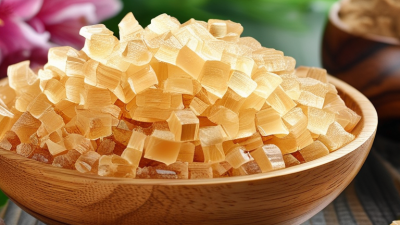
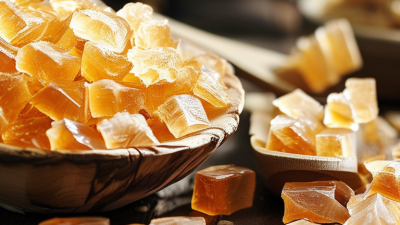
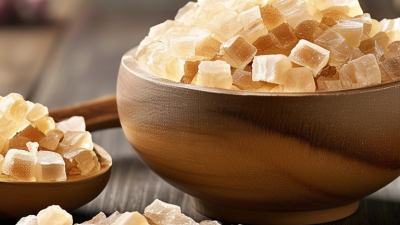
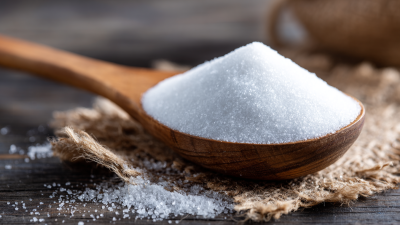
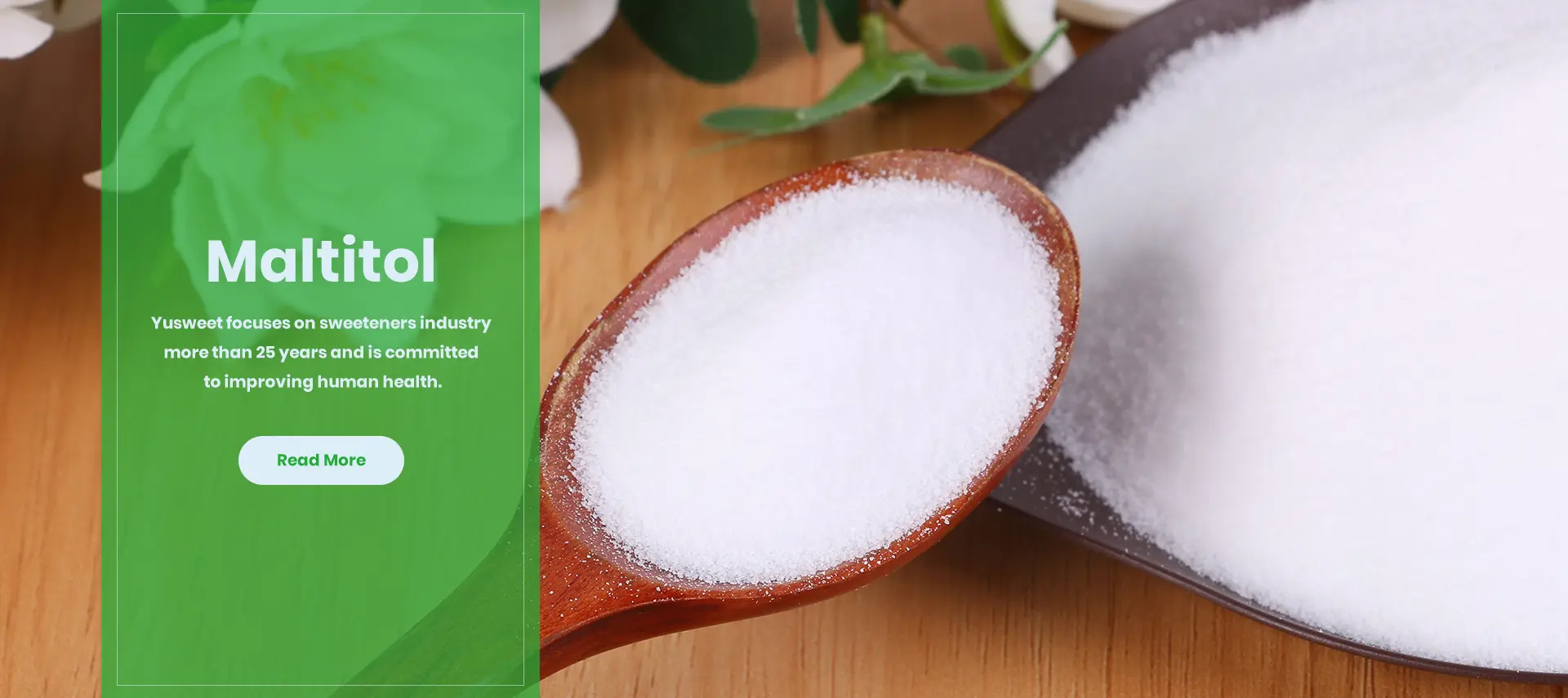
Erythritol is a four-carbon sugar alcohol, not ordinary table sugar. It occurs naturally in small amounts in grapes, pears, and fermented foods. Commercial production usually begins with glucose from corn, wheat, or another starch source. Microorganisms ferment the glucose in controlled tanks, much like yeast works in a bakery. The liquid is then filtered, purified, concentrated, and crystallized. Finally, the crystals are dried into a fine, white powder.

This process matters. It avoids direct chemical synthesis and produces a consistent ingredient for beverages, chewing gum, confectionery, and baked foods.

Erythritol provides roughly 60–70% of sucrose’s sweetness. The United States Food and Drug Administration assigns it an energy value of about 0.2 kilocalories per gram. That low value helps formulators reduce sugar and calorie content without removing sweetness completely.

The safety record is substantial. The FAO/WHO Joint Expert Committee on Food Additives listed erythritol’s acceptable daily intake as “not specified,” meaning normal intended use did not require a numerical limit under its evaluation.

Still, the picture is not perfectly simple. Large servings may cause bloating or digestive discomfort, especially for sensitive people. Product developers must also manage cooling sensations and weaker browning during baking.

Erythritol is useful, but it is not a magic replacement for sugar.
How Erythritol Functions as a Food Additive

Why Is Erythritol Used in Food Additives?

Erythritol functions as more than a sweetener. It provides about 60–70% of sugar’s sweetness while contributing very few calories. This makes it useful in reduced-sugar drinks, chewing products, desserts, and baked foods. In a beverage, it can soften bitter notes from cocoa, coffee, or certain plant extracts. Its mild cooling sensation also creates a clean feeling on the tongue.

Texture matters too. Erythritol adds bulk, which helps replace some volume lost when sugar is reduced. In frozen desserts, it can influence freezing behavior and improve a smoother bite. In baked goods, however, it does not behave exactly like sugar. It may crystallize, produce a cooler mouthfeel, or leave a slightly dry texture when used heavily. Formulators often adjust moisture, particle size, and baking conditions through repeated testing.

Erythritol is also valued because it generally does not support tooth decay in the same way fermentable sugars do. Still, that does not make every product containing it automatically healthy. Large servings may cause digestive discomfort for some people, especially when combined with other low-digestibility sweeteners. Personal tolerance varies. Regulatory guidance and labeling requirements also differ by region, so responsible manufacturers must verify their formulas carefully. The ingredient is useful, but it is not flawless.

Why Is Erythritol Used in Food Additives? - How Erythritol Functions as a Food Additive

Data Dimension Verified Information Function in Food Applications
Ingredient category Erythritol is a sugar alcohol, also called a polyol. It is used primarily as a bulk sweetener and texture-building ingredient.
Relative sweetness Erythritol is generally about 60–70% as sweet as sucrose, although the perceived intensity varies with formulation and temperature. It provides sweetness while allowing formulators to reduce or replace part of the sucrose in foods and beverages.
Energy value Erythritol provides approximately 0.2 kcal per gram in commonly used food-labeling systems; some jurisdictions assign it an energy value of 0 kcal per gram. Its low energy contribution supports reduced-calorie product formulations.
Effect on blood glucose Erythritol is absorbed largely in the small intestine and is generally reported to have a negligible effect on blood glucose and insulin levels in healthy individuals. It is useful in products designed to provide sweetness with limited impact on post-meal glucose response.
Digestive tolerance Compared with many other polyols, erythritol is absorbed more efficiently and is often better tolerated; excessive intake may still cause digestive discomfort in some people. It can offer a lower-laxation alternative to some other sugar alcohols, but formulation and serving size remain important.
Cooling sensation Dissolving erythritol absorbs heat, which can create a noticeable cooling sensation in the mouth. This effect can enhance the sensory profile of chewing gum, confectionery, powdered mixes, and mint-flavored products.
Dental properties Erythritol is not readily fermented by common oral bacteria and does not promote tooth decay in the same way as fermentable sugars. It is suitable for sugar-free oral-care products, chewing gum, and confectionery where tooth-friendly sweetness is desired.
Solubility and crystallization Erythritol is highly soluble in water, with solubility increasing as temperature rises. It can crystallize in concentrated or cooled systems. It contributes to structure and can create a clean, crystalline texture, but processing conditions must be controlled to avoid unwanted grittiness.
Moisture behavior Erythritol is relatively low in hygroscopicity compared with several other polyols. It helps maintain a drier powder texture and is useful in dry mixes, coatings, and tableting applications.
Thermal behavior Erythritol is stable under many normal food-processing conditions, but it does not brown like reducing sugars through typical Maillard reactions. It supplies sweetness and solids without contributing the same browning, caramelization, or flavor development as sucrose.
Taste profile Erythritol generally has a clean, sugar-like taste, with a possible cooling aftertaste at higher concentrations. It can improve the taste of reduced-sugar formulations, often alongside other sweeteners to balance sweetness intensity and mouthfeel.
Common food applications Common applications include beverages, chewing gum, candies, baked goods, chocolate-style products, tabletop sweeteners, and powdered drink mixes. Its combination of sweetness, low energy value, bulk, and cooling effect supports a broad range of product designs.
What erythritol does not primarily do Erythritol is not primarily used as a preservative, emulsifier, or coloring agent. Its main additive functions are sweetening, bulking, texture modification, and sensory cooling rather than microbial preservation or color control.
Formulation consideration Erythritol is less sweet than sucrose and may crystallize or produce cooling at higher use levels. Product developers may adjust particle size, concentration, processing temperature, and sweetener combinations to achieve the desired taste and texture.

Note: Permitted uses, labeling rules, and energy calculations may differ by jurisdiction. Excessive consumption of polyols may cause gastrointestinal discomfort in sensitive individuals.

Why Erythritol Is Used as a Low-Calorie Sweetener

Why Is Erythritol Used in Food Additives?

Why Erythritol Is Used as a Low-Calorie Sweetener

Erythritol is a sugar alcohol found naturally in small amounts in some fruits. It tastes roughly 60–70% as sweet as table sugar. Yet it contributes very few calories, making it useful in reduced-calorie foods. Most erythritol passes through the body and leaves largely unchanged in urine. As a result, it usually has little effect on blood glucose or insulin levels. That difference matters.

In practical food formulation, erythritol also provides bulk, texture, and a familiar sweet taste. Unlike high-intensity sweeteners, it can help replace some of sugar’s physical role. It may support crisp cookies, powdered mixes, and lightly sweetened beverages. The cooling sensation can feel refreshing, but it may also seem unusual. The ingredient is useful, not flawless. Large amounts can cause bloating or digestive discomfort, especially for people with sensitive digestion. Tolerance varies. Products with erythritol still need careful portion awareness and clear ingredient information. A lower calorie count does not automatically make a food nutritionally complete. Research on long-term health effects also continues, so confident claims should remain limited.

Which Foods and Beverages Commonly Contain Erythritol?

Erythritol appears in many reduced-sugar foods and drinks because it provides sweetness with very few calories. It is a sugar alcohol, not ordinary table sugar. Food technologists also value its clean taste, low moisture, and useful bulk in recipes. Still, it can leave a cool sensation on the tongue. That detail is easy to miss.

Which foods commonly contain erythritol? Check sugar-free chewing gum, mints, hard candies, chocolate, cookies, cakes, and low-sugar ice cream. It may also appear in protein powders, meal-replacement shakes, flavored waters, and powdered drink mixes. Some tabletop sweeteners contain it as the main ingredient.

In baked goods, it helps replace the volume that sugar normally provides, although texture may become slightly dry or grainy.

Tips: Read the full ingredient list, not only the front label. Erythritol may appear with stevia or other sweeteners. Compare serving sizes carefully. A “no added sugar” product can still taste very sweet. People also tolerate erythritol differently; larger amounts may cause bloating or loose stools. Start with a small serving if you are unfamiliar with it. That advice is practical, though individual responses can vary.

What Are Erythritol’s Safety and Usage Considerations?

Why Is Erythritol Used in Food Additives?

Erythritol is a sugar alcohol used to add sweetness with very few calories. It occurs naturally in some fruits, such as grapes and pears. In food formulation, it can reduce added sugar while keeping a familiar taste. It also helps create bulk in drinks, baked foods, and powdered products. However, it does not behave exactly like sugar. Baked items may brown less, and its cooling sensation can feel noticeable on the tongue.

What Are Erythritol’s Safety and Usage Considerations?

Current regulatory assessments generally consider erythritol safe for most people when used appropriately. Individual tolerance still matters. Large amounts may cause bloating, stomach discomfort, or loose stools, especially in people sensitive to sugar alcohols. Test a small portion. Drinking enough water may also improve comfort, although it cannot prevent every reaction.

Serving size deserves attention. A product can seem low in sugar while containing a substantial amount of erythritol. Reading the ingredient list and nutrition panel gives a clearer picture. People with digestive conditions, unusual symptoms, or special dietary needs should ask a qualified healthcare professional before regular use. Some recent studies have raised questions about erythritol and cardiovascular risk, but the findings do not prove that erythritol causes those problems. The evidence is still developing. That uncertainty deserves honesty, not alarm.